
Practical ATEX filling advice for your product, packs and production target

Output and capacity question

How is ATEX filling-line output calculated?

Use accepted closed containers over an agreed sustained run, not the fastest isolated movement of one machine component.

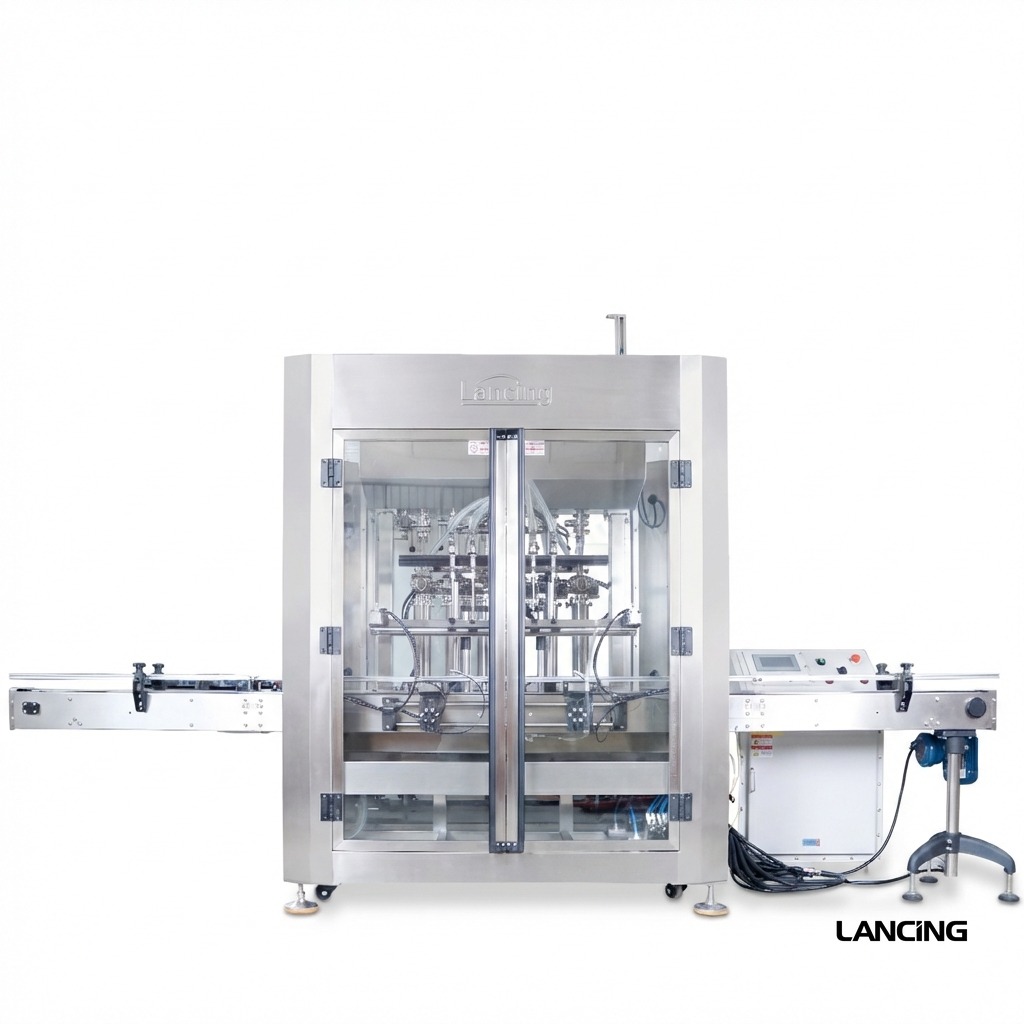
Automatic ATEX filling line used to explain sustained production output

Direct answer

ATEX filling-line output should be stated as accepted filled and closed containers produced over an agreed sustained run under representative conditions. It is not simply the reciprocal of nozzle fill time or the fastest movement seen during a demonstration. Product supply, container handling, filling, settling, capping, rejects, downstream equipment, safe stops and recovery all contribute to the result.

Define the product, pack, recipe, staffing, accumulation, acceptance rule and test duration before quoting a rate. When these conditions change, the achievable output can change as well.

Cycle breakdown

Measure every step that controls the accepted-pack cycle.

Cycle elementWhat to recordTypical reason it can govern output
Container infeed and positioningArrival spacing, detection, indexing and stabilisation.Irregular packs or insufficient separation can starve or stop the filler.
DosingFast/slow profile, fill time, settle time, nozzle travel and cut-off.Product behaviour and target quantity can dominate the cycle.
Closure and downstream transferCap presentation, placement, application, inspection and discharge.A slow or fault-prone closure stage can block open filled containers.
Losses and recoveryRejects, replenishment, short stops, alarms, cleaning and changeover.Production capacity includes the time needed to restore controlled operation.

Buyer questions

Three distinctions that make an output claim testable.

What is the difference between cycle rate and sustained line output?

Cycle rate describes how quickly a defined movement or machine cycle can repeat; sustained line output measures accepted production over time with the complete line operating. A filler may complete doses faster than containers can be fed, closed or discharged, and short bursts may exclude replenishment, rejects and normal interruptions.

State both only when the test basis is clear. For procurement, sustained accepted output is usually the more useful line-level measure.

How is the line bottleneck identified?

The bottleneck is the step whose repeatable capacity or recovery behaviour limits the complete accepted-pack flow under the stated conditions. It may move when the product, container, closure, recipe or staffing changes.

Time each stage, observe starvation and blockage, and record accumulation. Do not assume the filler is the bottleneck simply because it is the central machine. A cap feeder, operator action or product-supply restriction can govern the result.

What should a sustained output test record?

A sustained output test should record the approved product or substitute, containers, closures, recipe, start and finish time, accepted quantity, rejects, stops, alarms, replenishment, operator actions and any deviation from intended production. The run should be long enough to expose the agreed recurring activities rather than only a stable short burst.

State which site-dependent conditions could not be reproduced at FAT and must be confirmed at SAT.

Include capacity losses that matter to the buyer

  • Product or closure replenishment.
  • Container loading and accumulation limits.
  • Quality checks, rejects and rework decisions.
  • Recipe changes, cleaning and format changeover.
  • Safe restart after a blockage or permissive loss.
  • Planned operator breaks and staffing pattern where relevant.

Keep the output basis with the quotation

  • Product and operating temperature.
  • Container and closure references.
  • Fill quantity and acceptance method.
  • Line modules included in the measurement.
  • Run duration and accepted/rejected counts.
  • Assumptions for site utilities and product supply.

Output is a project result, not a universal machine label.

Compare the automatic filling route, the complete-line interfaces and the FAT acceptance framework using the same operating case.

Your machine recommendation

Tell us what you need to fill — we’ll recommend the most suitable machine.

Send your product SDS, container details, fill range, target output and any ATEX information. You’ll receive a practical shortlist matched to your application.

☎ 01494 623015✉ sales@lancinguk.com

Direct support for new machines, line upgrades and complete filling projects.

Protected by built-in anti-spam checks. No third-party CAPTCHA or tracking service is used.

Need a filling system that fits your product, packs and output?

Share your SDS, hazardous-area information, containers, fill volumes, target output and any capping or labelling stages.

Get my machine recommendation
Call 01494 623015Get a quote