Practical ATEX filling advice for your product, packs and production target

ATEX filling machinery matched to your production

Get the right ATEX filling machine for your product, pack and output.

Tell us what you fill, the pack sizes and the output you need. We’ll help you compare automatic fillers, weigh systems, large-container machines and complete fill-cap-label lines.

  • Start with the SDS and product behaviour
  • Match bottles, jerrycans, buckets or drums
  • Choose the right automation level
  • Plan filling, capping and line integration together

Direct advice from a UK machinery supplier — no third-party lead service.

Your productSDS, viscosity, volatility and material compatibility
Your containersBottle, can, jerrycan, bucket or drum formats
Your outputManual loading, semi-automatic operation or a complete line
Your hazardous areaZone information, utilities, extraction and site constraints

Compare practical machine routes

Choose the ATEX filling route that best fits your production.

We compare your liquid, containers, required output and hazardous-area information to focus the choice on machinery that can work for your production.

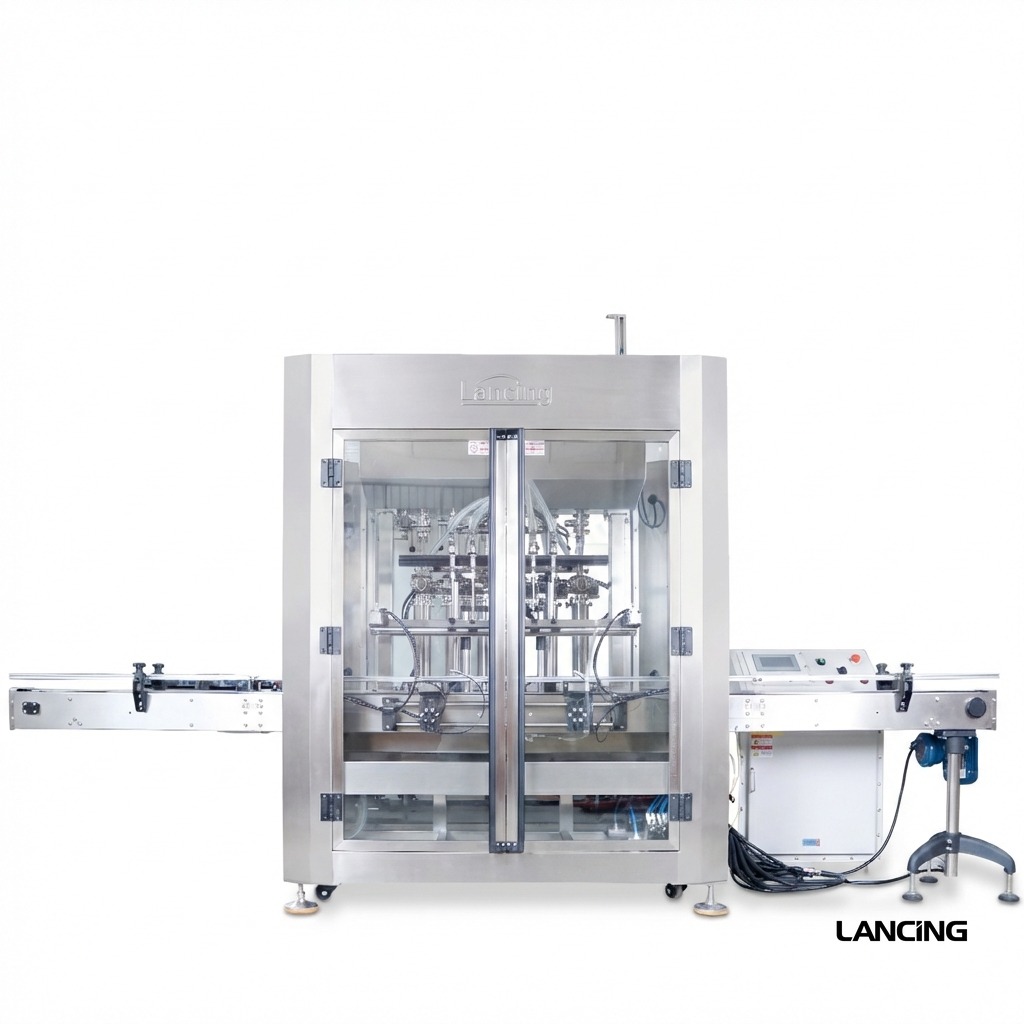
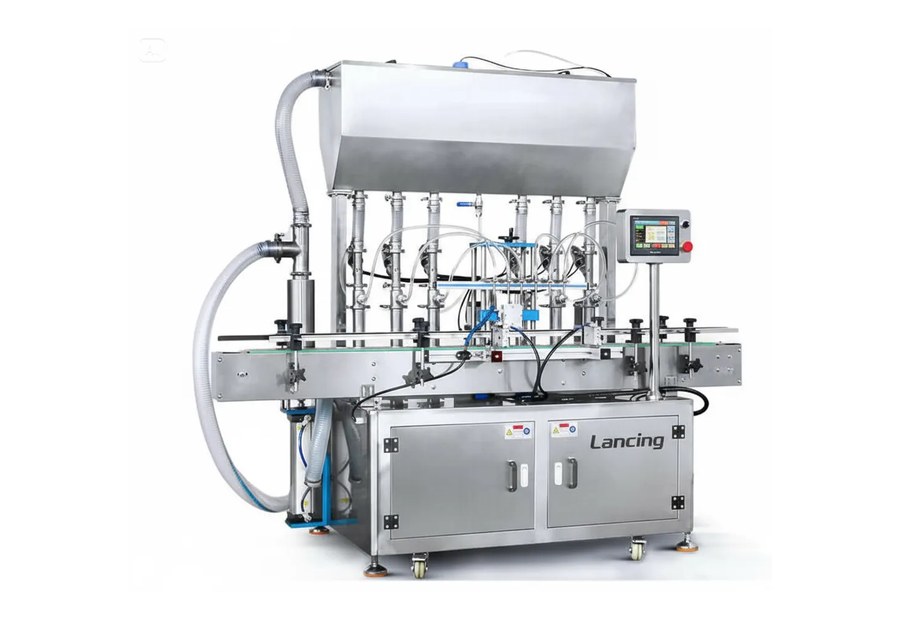
Lancing explosion-protected six-head automatic filling machine
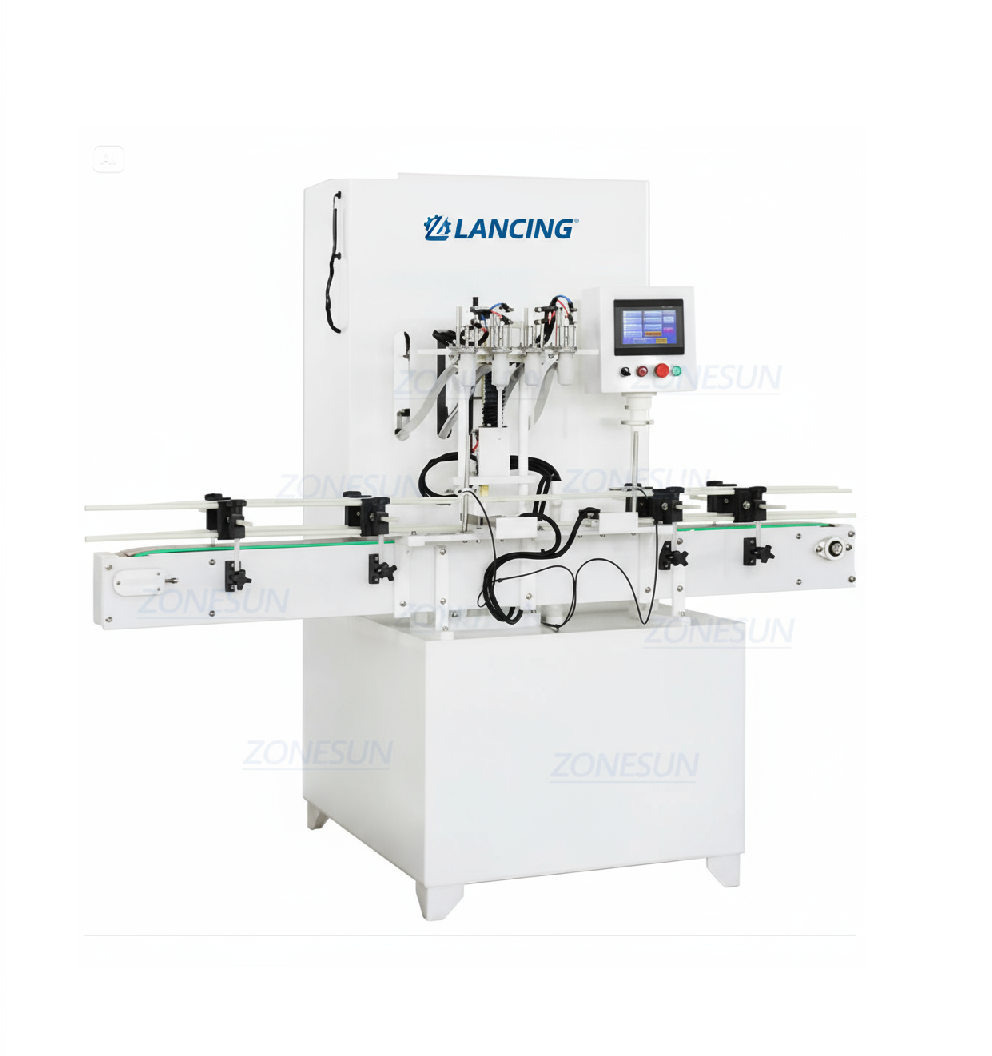
Automatic

Automatic ATEX filling machine

Increase output with a conveyor-fed filler selected around your liquid, container, dosing method and hazardous-area requirements.

  • 50–5000 ml configurations
  • 1–6 filling heads
  • Pneumatic actuation and static-control provisions
See machine details
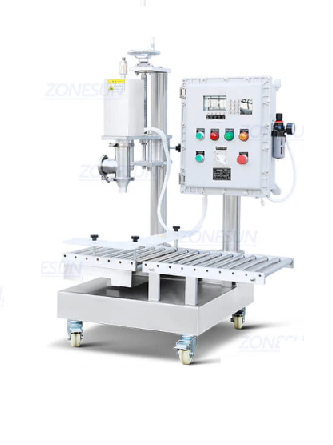
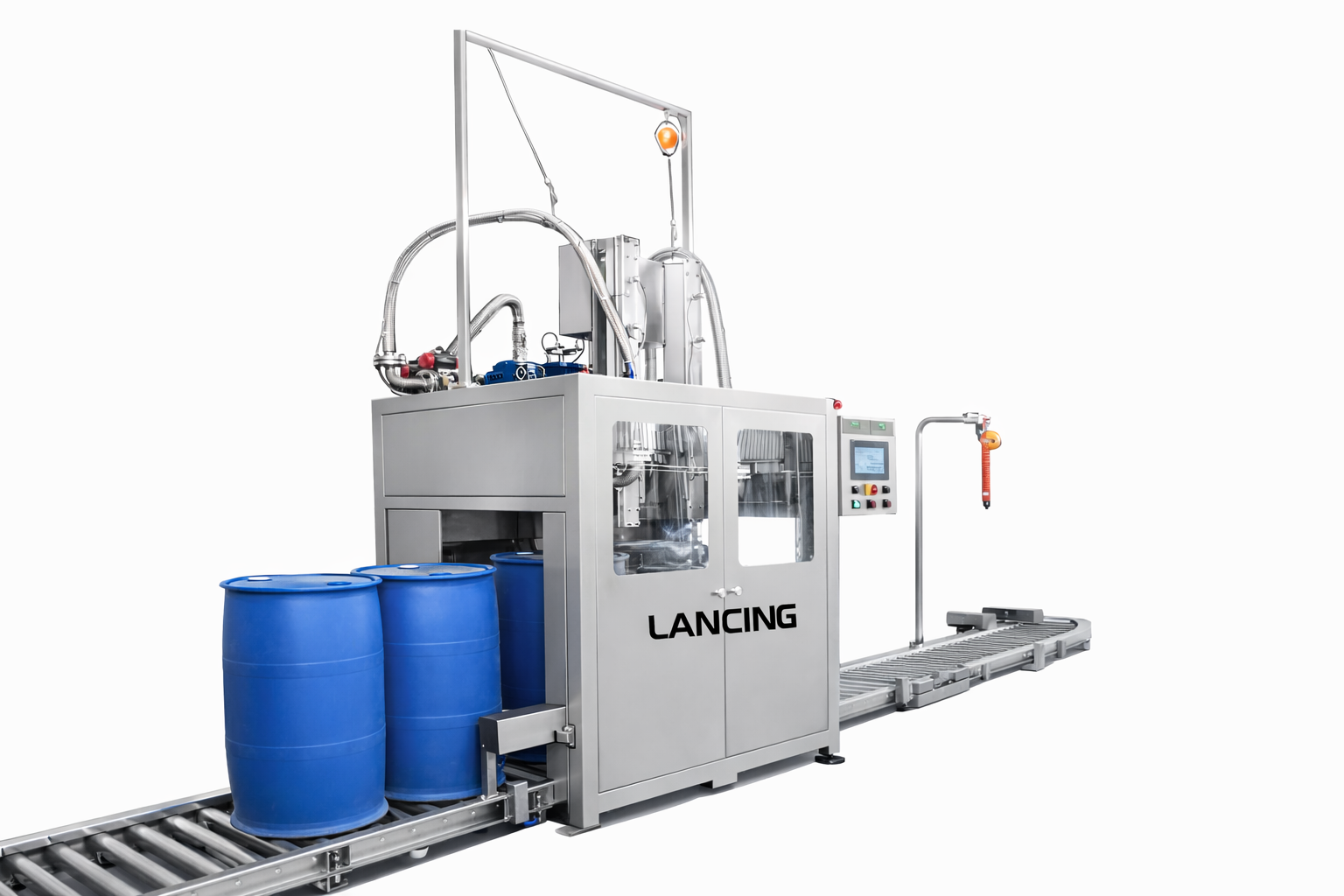
ATEX weigh filling machine with roller platform and control enclosure
Weigh filling

ATEX weigh filling machine

Fill larger containers accurately by weight, with a compact station matched to your pack handling and required throughput.

  • 10–30 L reference range
  • Up to 30 kg weighing platform
  • Typical 3–6 containers per minute
See machine details
Complete automatic ATEX filling line with multiple filling heads and conveyor
Integrated line

Complete ATEX filling line

Bring bottle handling, filling, capping, labelling and discharge together as one coordinated production line.

  • Fill, cap and label modules
  • Bottle unscrambling and conveying
  • Line-level controls and documentation
See machine details
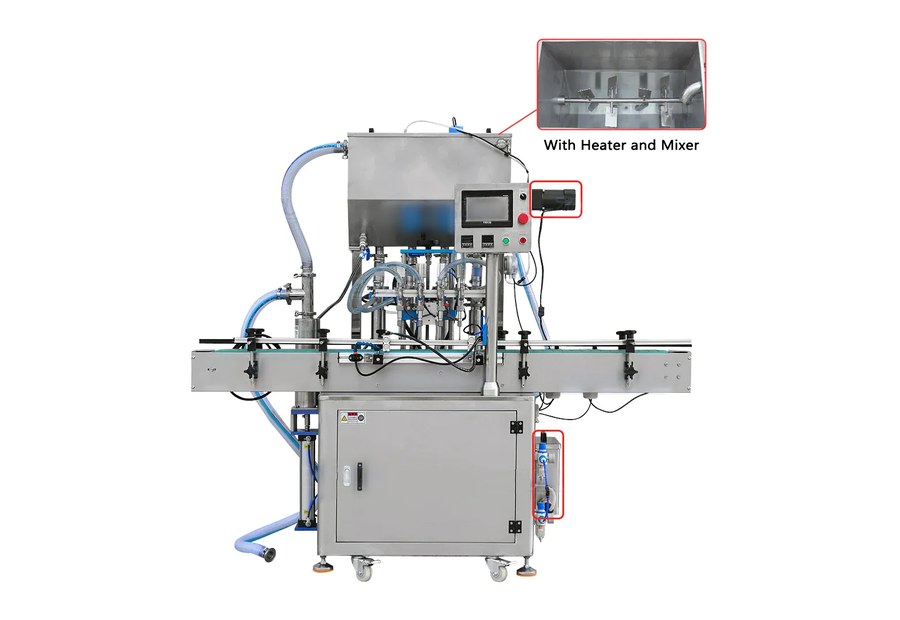
Corrosion-resistant automatic chemical filling machine with conveyor
Chemical compatibility

Corrosion-resistant chemical filling

Protect product-contact parts with suitable materials for aggressive liquids, with ATEX features added where your application requires them.

  • Bleach, acids and cleaners
  • Diving and anti-drip nozzles
  • Automatic and semi-automatic formats
See machine details
Automatic filling machine for viscous pastes and adhesives
Viscous products

Solvent-based pastes and adhesives

Control stringing and viscous flow with suitable pumps, pistons and nozzles while accounting for solvent content and the operating area.

  • Viscosity and stringing assessment
  • Seal and hose compatibility
  • Fill-cap-label integration
See machine details

Why early planning matters

Protect your people, product and production line.

A successful project considers the filler, product supply, static control, ventilation, container movement and every downstream machine that may sit inside or affect the hazardous area.

  • Confirm the product SDS and flash-point information.
  • Define the hazardous-area classification and site responsibilities.
  • Match the dosing principle to viscosity, foam and fill tolerance.
  • Review grounding, bonding, extraction and container materials.
  • Plan documentation, commissioning, training and maintenance.
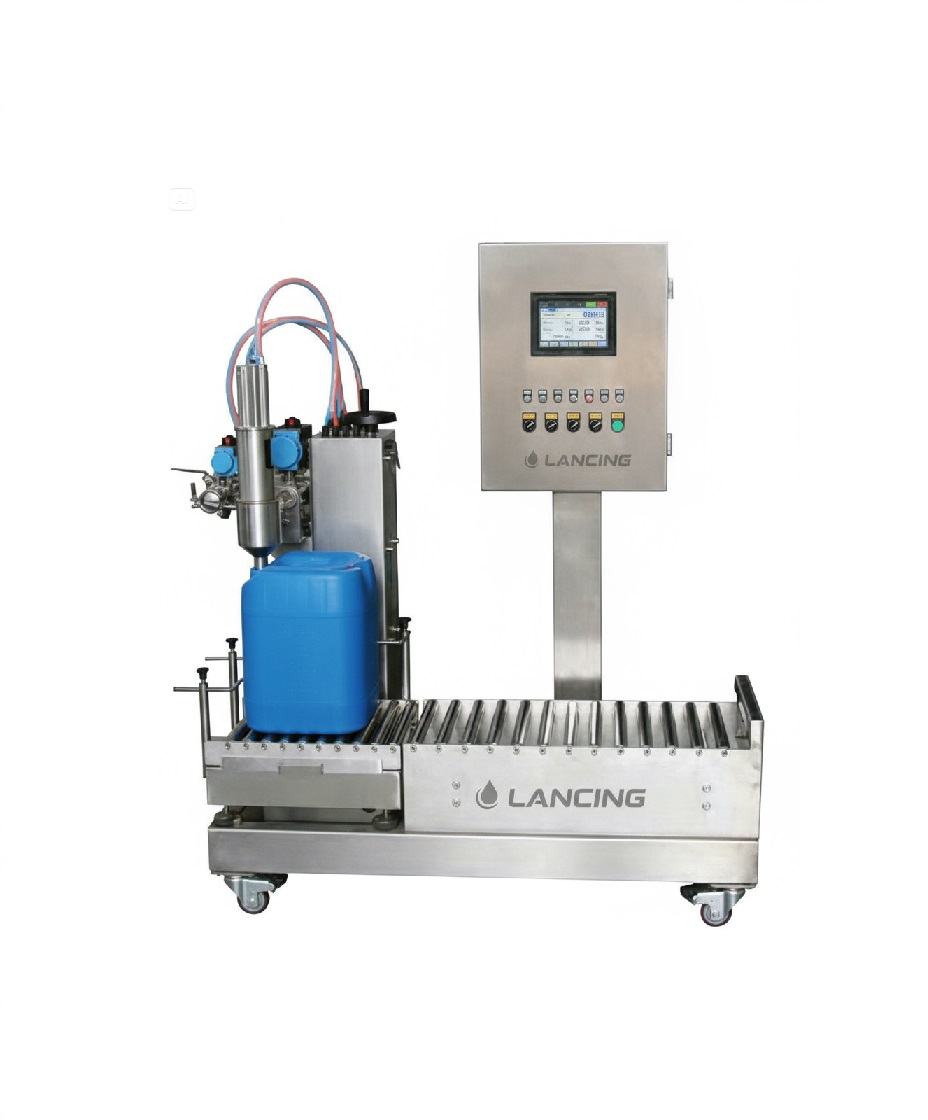
Industrial chemical filling machine handling large blue drums

A clear route to quotation and delivery

A straightforward route from enquiry to installation.

Tell us what you fill

Define the product, viscosity, volatility, compatibility, fill volume, container and cleaning method.

Confirm the hazardous-area requirements

Share the zone, gas group, temperature class, existing DSEAR assessment and any site-specific controls.

Choose the machine and line layout

Select dosing, nozzles, actuation, controls, materials, container handling and downstream integration.

Test, install and support

Agree testing, conformity documentation, layout, installation, commissioning, operator training and support.

Choose by product

Start with the product you need to fill.

C

Chemicals & solvents

Acetone, ethanol blends, thinners, reagents and flammable cleaners after compatibility and area review.

P

Paints & adhesives

Viscosity, stringing, solvent content, nozzle cut-off and container handling.

A

Alcohol & perfume

Volatile alcohol-based products, small bottles, precision dosing and closure integration.

O

Fuels & oils

Kerosene, additives, lubricants and larger packs with product-specific assessment.

Frequently asked questions

Questions customers ask before choosing a machine.

What information is needed to quote an ATEX filling machine?

Provide the product SDS, hazardous-area or zone information, gas group and temperature-class requirements where known, fill-volume range, container details, target output, utilities, extraction arrangements and the downstream line stages.

Can ATEX filling machinery be supplied as a complete line?

Yes. Filling, capping, labelling, bottle handling and conveying can be considered as one project, but every item within or affecting the hazardous area must be reviewed in the line-level risk and conformity plan.

Is a corrosion-resistant filler automatically an ATEX filler?

No. Chemical compatibility and explosion protection are separate design questions. A machine may need corrosion-resistant wetted parts, hazardous-area protection, or both, depending on the product and site assessment.

Can the machines fill drums, buckets and jerrycans?

Large-container routes are available, including weigh-based and diving-nozzle systems for common 5–30 litre formats. Final suitability depends on container geometry, product behaviour, handling and the hazardous-area brief.

Your machine recommendation

Tell us what you need to fill — we’ll recommend the most suitable machine.

Send your product SDS, container details, fill range, target output and any ATEX information. You’ll receive a practical shortlist matched to your application.

☎ 01494 623015✉ sales@lancinguk.com

Direct support for new machines, line upgrades and complete filling projects.

Protected by built-in anti-spam checks. No third-party CAPTCHA or tracking service is used.

Project scope

Separate the workplace risk assessment from the machine specification.

An ATEX filling project is strongest when the site duties and the equipment duties are defined together but not confused. The product, room, ventilation, transfer system and operating method establish the workplace risk. The filling machine must then be selected and documented for the declared conditions and intended use.

D

DSEAR and the workplace

The employer or site operator needs a competent assessment of dangerous substances, release sources, hazardous-area boundaries and the measures used to eliminate or control fire and explosion risk. A product name on its own is not enough to define a zone.

Read the DSEAR and ATEX equipment guide

Ex

The equipment specification

Lancing uses the declared area classification, product SDS, filling method, containers, utilities and line layout to develop the machinery scope. Electrical and non-electrical ignition sources, static control, access, maintenance and documentation all need to be considered.

Open the specification checklist

A component certificate does not qualify the complete filling line.

A protected motor, control enclosure or sensor is only one part of the installation. The assembled machine, product path, moving parts, operator controls, conveyors and downstream equipment must be reviewed against the agreed hazardous-area and conformity scope.

Platform comparison

Compare the published reference routes before a product trial.

The figures below consolidate reference information already published on this site. They are useful for an initial shortlist, but they are not universal guarantees. Final output, tolerance, utilities and construction depend on the real product, pack, hazardous-area classification and approved project specification.

Machine routePublished referenceBest used to investigate
Automatic ATEX filler50–5000 ml; 1–6 headsConveyor-fed bottles, higher output and coordinated downstream equipment.
LUYTEXW1 weigh platform10–30 L; up to 30 kg; approximately 3–6 containers/minute referenceMass-based control for jerrycans and smaller drums.
LUGTW2S large-pack family5–30 L; up to 50 kg on the reference platformBucket, pail and jerrycan filling with nozzle travel and heavy-pack handling.
Complete filling lineConfigured fill, cap, label, inspect and transfer modulesLine-level controls, hazardous-area boundaries and balanced production.
Corrosion-resistant route100–3000 ml reference gravity platform; four-nozzle standard configurationProduct-contact compatibility for bleach, acids, cleaners and aggressive liquids, with ATEX reviewed separately where required.

Evidence for quotation

Give the engineering review enough evidence to define the real operating case.

A useful quotation states what has been assumed, what still needs confirming and how acceptance will be measured. The following inputs reduce avoidable redesign and make it easier to compare proposals on the same basis.

1

Product and process

Current SDS, formulation or concentration where relevant, operating temperature, viscosity, density, foam, particles, conductivity, product supply and the proposed cleaning method.

2

Packs and production

Real containers and closures, dimensions, neck opening, fill range, required sustained output, batch pattern, changeover frequency and downstream handling.

3

Site and acceptance

Competent hazardous-area information, utilities, extraction responsibilities, layout constraints, documentation needs and agreed sample-trial, FAT and SAT acceptance criteria.

Plan samples, trials and FAT

Does an ATEX-rated component make the whole filler suitable?

No. The suitability of the assembled machine depends on its intended use, area classification, protection concepts, electrical and non-electrical ignition risks, product path, controls and documentation. Individual components support that assessment but do not replace it.

What should be agreed before an ATEX filling-machine FAT?

Agree the product or representative test medium, containers, closures, recipes, target quantities, test duration, output basis, reject conditions, alarms, interlocks, cleaning checks and the evidence to be recorded. Site-specific ventilation and area-classification duties remain subject to the installation and SAT scope.

Ready to choose the right ATEX filling machine?

Send your product SDS, pack sizes, fill range, target output and any available hazardous-area information.

Discuss my filling project →
Call 01494 623015Get a quote