
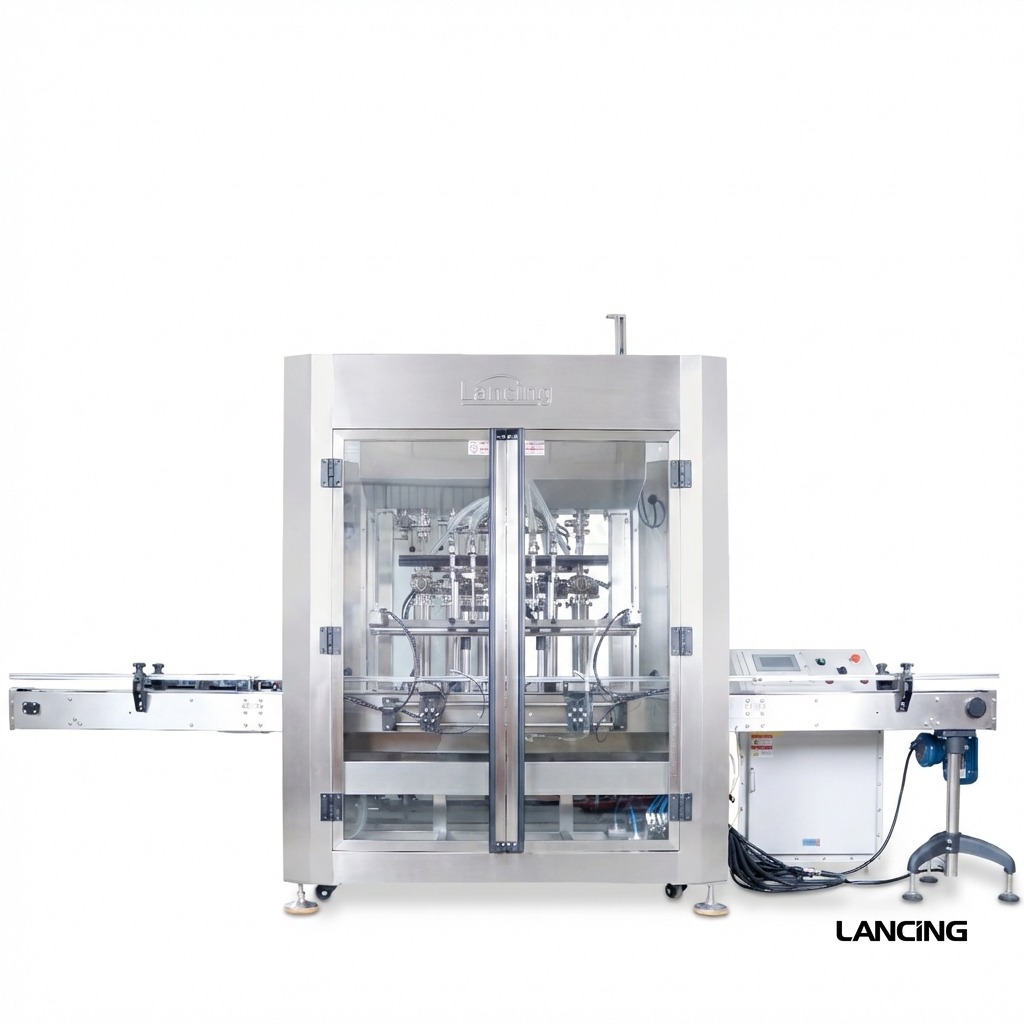
Practical ATEX filling advice for your product, packs and production target

Buyer guide

ATEX filling machine guide for a clearer project specification.

Use this buyer-focused guide to define your product, hazardous area, packs, output, utilities, line integration and documentation before requesting a quotation.

Automatic filling machine configured for hazardous-area projects

Safety and compliance note

This guide supports commercial scoping only. It is not a substitute for a competent DSEAR assessment, hazardous-area classification, conformity assessment, installation design or legal advice.

1. Why ATEX projects need earlier planning

A hazardous-area filling project depends on both the product and the environment around the line. Flammable liquids, vapour, mists and related products can introduce requirements for the filler, product supply, ventilation, static control, operator devices, non-electrical equipment and downstream machinery.

In Great Britain, workplace risk control is addressed through DSEAR, while equipment intended for potentially explosive atmospheres is subject to the Equipment and Protective Systems Intended for Use in Potentially Explosive Atmospheres Regulations 2016. The machinery must be specified against the site classification and intended use.

2. Build the application brief first

Start with the product SDS and real production conditions. Product name alone does not define the hazard or the filling method.

  • Full formulation, concentration, flash point and operating temperature.
  • Viscosity, density, foam, particles, conductivity and shear sensitivity.
  • Container material, dimensions, neck opening, closure and label.
  • Minimum and maximum fill, required tolerance and measurement method.
  • Sustained output, batch pattern and changeover frequency.
  • Cleaning method, waste handling and product recovery.

3. Provide the hazardous-area classification

The project should state the applicable zone, gas or dust group, temperature class and equipment protection requirements where relevant. It should also identify the physical boundaries of the classified area and whether vapour can reach capping, labelling, conveyors or utilities.

Do not assume that one “ATEX motor” makes a complete filling machine suitable. Electrical and non-electrical ignition sources, hot surfaces, static, friction, impact, bearings, controls and maintenance all need consideration.

4. Select the filling principle

The dosing method must suit the product before hazardous-area modifications are finalised.

  • Piston filling: positive displacement for many viscous liquids and pastes.
  • Pump filling: gear, diaphragm, peristaltic or other routes for compatible products.
  • Flow-meter filling: mass or magnetic-flow routes where product conductivity and properties suit.
  • Weigh filling: mass control for larger packs such as jerrycans and drums.
  • Fill-to-level: considered where visual fill height matters more than measured volume.

Trials with the real product and containers are especially useful where foam, vapour, stringing, particles or temperature affect cut-off.

5. Plan static control, ventilation and product supply

Grounding and bonding arrangements depend on the containers, transfer system and equipment. Plastic packs can require different controls from conductive metal containers. Product supply tanks, pumps, hoses and pipework are part of the process and should be included in the review.

Ventilation or local exhaust may be a facility responsibility, a machine interface or a combined scope. The boundaries must be explicit before manufacture.

6. Review the whole packaging line

A fast filler can still create an unreliable line if bottle presentation, capping, labelling or discharge cannot keep pace. For hazardous products, the line hand-offs also affect vapour release, static, operator access and emergency-stop architecture.

  • Bottle unscrambling, rinsing and infeed.
  • Filling, drip control and rejected-container handling.
  • Cap feeding, torque, crimping or lid pressing.
  • Labelling, coding and inspection.
  • Conveying, accumulation, packing and pallet preparation.

7. Define documentation and acceptance

The quotation should make the conformity scope, supplied documentation and site responsibilities clear. Agree the equipment schedule, drawings, manuals, certificates where applicable, declarations, FAT protocol, installation checks, SAT, operator training and maintenance requirements.

8. Plan maintenance and lifecycle support

Hazardous-area equipment needs inspection and maintenance consistent with the protection concept and manufacturer instructions. Agree critical spares, competent maintenance requirements, change-part control and how future modifications will be reviewed.

Official UK references

Guide FAQs

ATEX machinery planning questions.

What is the difference between ATEX equipment duties and DSEAR workplace duties?

In Great Britain, equipment placed on the market for potentially explosive atmospheres is covered by the Equipment and Protective Systems Intended for Use in Potentially Explosive Atmospheres Regulations 2016. DSEAR places duties on employers and the self-employed to assess and control workplace risks from dangerous substances. A machinery project must fit the site assessment and the applicable equipment obligations.

Who should define the hazardous-area zone?

The zone should come from a competent hazardous-area classification and workplace risk assessment. A machinery supplier can use that information to develop the equipment specification but should not guess the site classification from the product name alone.

What documents should be requested with the machine?

The exact package depends on the category and scope, but it may include declarations, certificates where applicable, equipment schedules, drawings, manuals, risk information, inspection and maintenance instructions, and agreed FAT/SAT records.

Can a standard filler be converted to ATEX later?

A late conversion can be complex because electrical and non-electrical ignition risks, materials, controls, layout, documentation and the wider line may all be affected. It is usually more robust to define the hazardous-area requirement before the machine is selected.

Your machine recommendation

Tell us what you need to fill — we’ll recommend the most suitable machine.

Send your product SDS, container details, fill range, target output and any ATEX information. You’ll receive a practical shortlist matched to your application.

☎ 01494 623015✉ sales@lancinguk.com

Direct support for new machines, line upgrades and complete filling projects.

Protected by built-in anti-spam checks. No third-party CAPTCHA or tracking service is used.

Responsibility map

Keep workplace duties, equipment duties and project interfaces explicit.

The same project information is used by several parties, but they are not performing the same task. A clear responsibility table prevents the supplier from being asked to guess the site classification and prevents the site from assuming that a component certificate covers the complete process.

WorkstreamPrimary responsibilityOutput used by the filling project
DSEAR risk assessmentEmployer or site operator with competent supportDangerous substances, activities, release scenarios, risk controls and operating responsibilities.
Hazardous-area classificationCompetent person appointed by the site/projectZone type, boundaries, gas/dust group, temperature requirements and assumptions such as ventilation.
Machine and line specificationPurchaser and Lancing using the declared site inputsIntended use, product and pack range, equipment protection, controls, materials, utilities and documentation.
Conformity assessmentResponsible manufacturer or economic operator for the supplied equipmentApplicable assessment, technical documentation, markings, instructions and declarations for the agreed scope.
Installation and workplace verificationSite/project team with competent contractorsCorrect location, services, earthing, extraction, inspection, commissioning, procedures and SAT evidence.

Read the dedicated DSEAR and ATEX filling-equipment guide for zone context, ignition-source questions and the information to place on a machinery enquiry.

Ignition-source review

Review electrical and non-electrical sources across every operating mode.

The assessment should consider normal production, start-up, stopping, faults, cleaning, changeover and maintenance. Examples to investigate include electrical equipment, hot surfaces, electrostatic discharge, mechanical sparks, friction, impact, bearings, moving belts, product heating and tools or temporary equipment introduced by maintenance.

E

Earthing and bonding

Define conductive paths, container materials, hoses, product transfer and monitoring. The design should state what is connected, how continuity is verified and what happens on loss of the required permissive.

X

Extraction and ventilation

Identify the designer, airflow or containment criterion, commissioning test, maintenance and any interlock. Do not assume that an unspecified room extract resolves the release at the nozzle.

M

Maintenance state

Define isolation, residual product, gas-free or clean-state requirements, replacement parts and inspection competence so that servicing does not invalidate the protection concept.

Evidence and acceptance

Use trials and FAT to prove the declared production case—without overstating what they prove.

A product trial can demonstrate flow, foam, splash, stringing, cut-off and cleaning behaviour. FAT can demonstrate the configured machine functions and agreed performance under recorded factory conditions. Neither replaces the site assessment, final installation checks or the conformity obligations for the supplied scope.

EvidenceMinimum recordBoundary
Sample trialProduct identity, SDS, temperature, container, dose, equipment settings, observations and measured results.Valid only for the stated sample and conditions.
FATApproved protocol, test instruments, run duration, outputs, alarms, interlocks, deviations and actions.Factory conditions and supplied equipment; site interfaces remain open where stated.
SAT/commissioningInstallation, utilities, earthing, extraction, line interfaces, training and production verification.Confirms site integration but does not replace ongoing inspection and maintenance.

Open the ATEX filling trials and FAT guide

Should Zone 0, Zone 1 and Zone 2 be mapped directly to a machine from a website table?

No. The zone is one input. The complete classification includes the explosive-atmosphere type, boundaries, gas or dust group, temperature requirements and intended use. Equipment selection should be completed against the competent assessment and applicable conformity route.

Can the machinery supplier complete the site DSEAR assessment?

The supplier can provide equipment information and support the machinery interface, but the employer or site operator retains the workplace duties and should appoint competent support for the DSEAR assessment and area classification. Responsibilities must be agreed explicitly for the project.

Need a filling system that fits your product, packs and output?

Share your SDS, hazardous-area information, containers, fill volumes, target output and any capping or labelling stages.

Get my machine recommendation
Call 01494 623015Get a quote