Practical ATEX filling advice for your product, packs and production target

Machine range

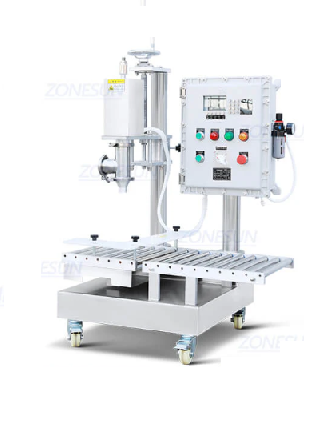
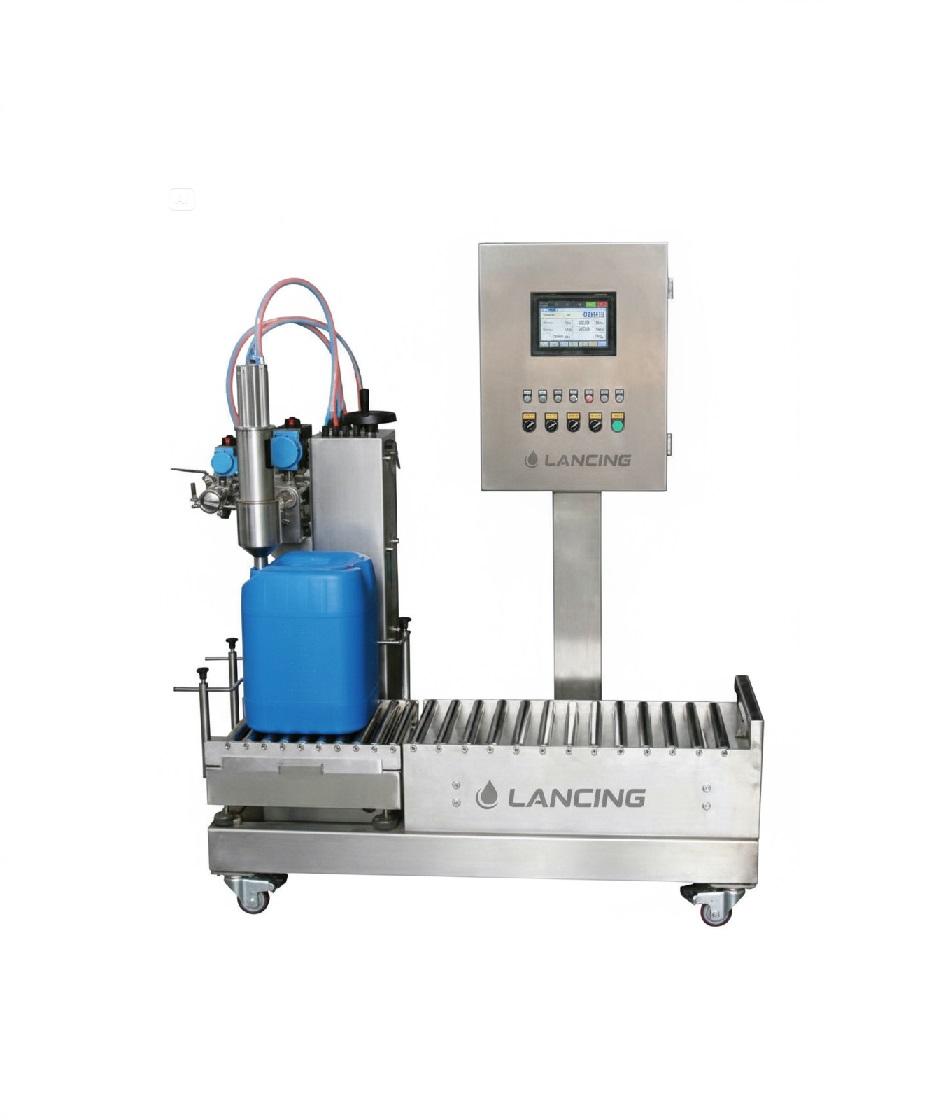
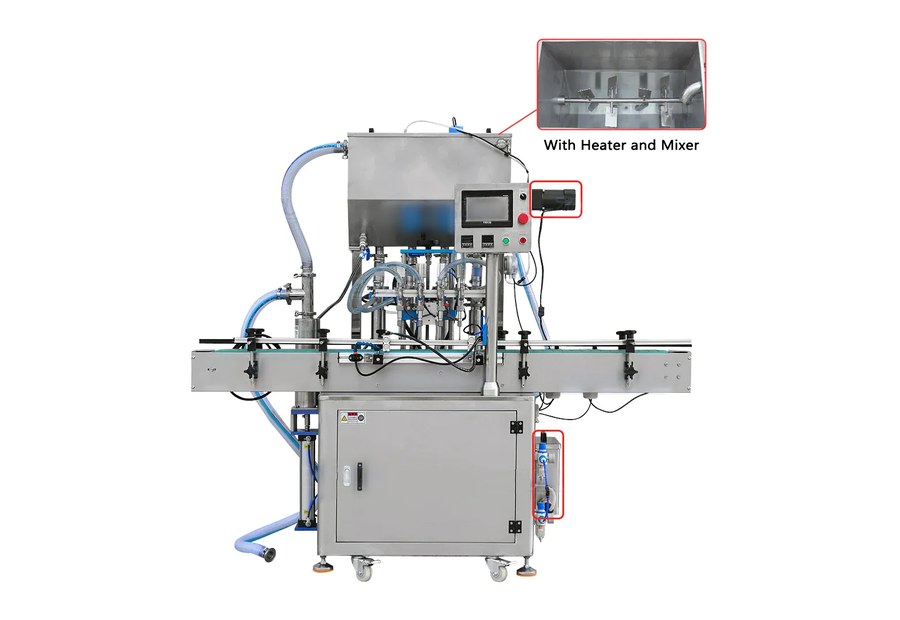
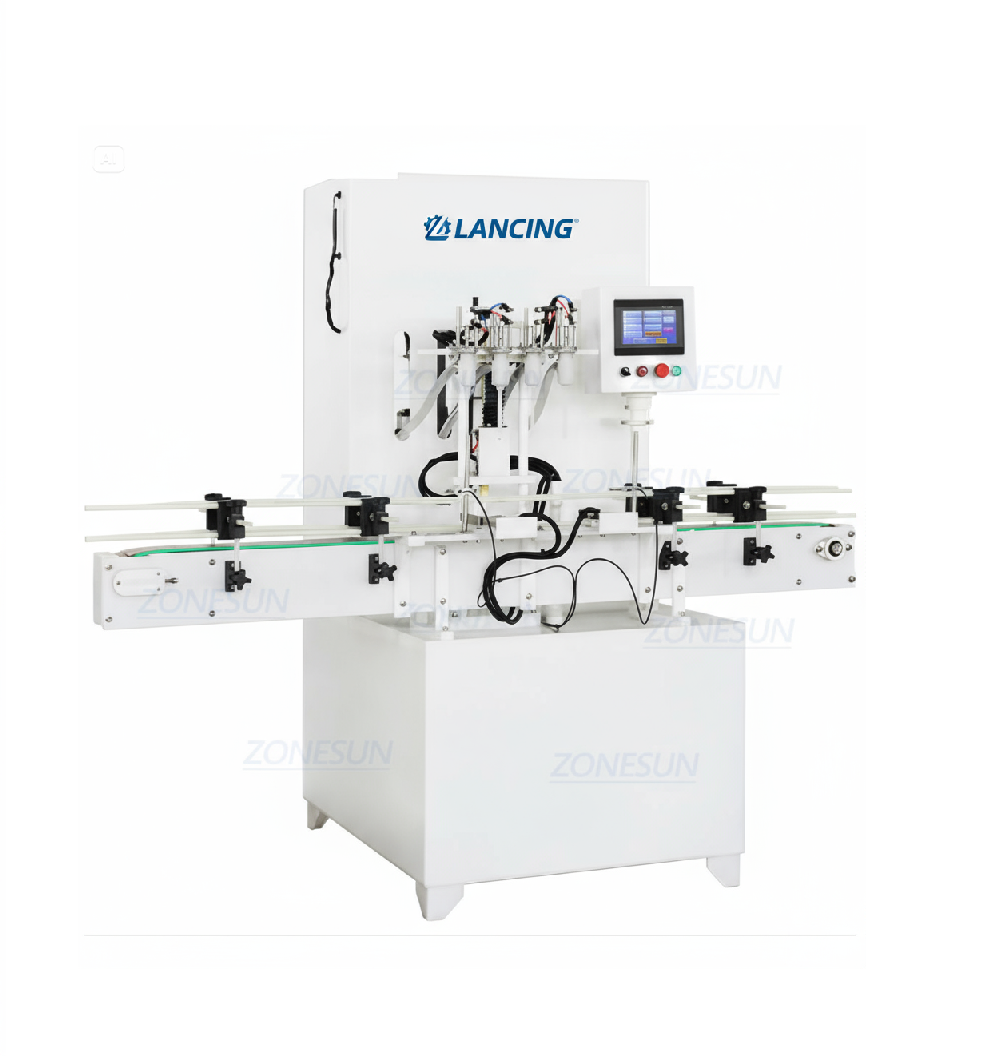
Choose an ATEX filling machine that fits your product, packs and output.

Compare automatic, weigh-based, semi-automatic and complete-line options, then narrow the choice around your product behaviour, container sizes and production target.

Complete ATEX filling, capping and labelling line

Compare machines

Compare six machine options for different products and pack sizes.

Use the options below to compare container sizes, dosing methods, product compatibility and automation levels.

Selection logic

Match the dosing method to your product and production target.

Accuracy claims are only meaningful against the actual product, fill volume, speed and container presentation. Viscosity, foam, temperature, particles, product supply and nozzle cut-off can change the practical result.

  • Volumetric piston routes for positive displacement.
  • Pump or flow-meter routes for compatible flowing liquids.
  • Weigh filling for larger packs and mass-based control.
  • Diving nozzles where splash or foam needs managing.
  • Trials with real product and containers where practical.

See machine details

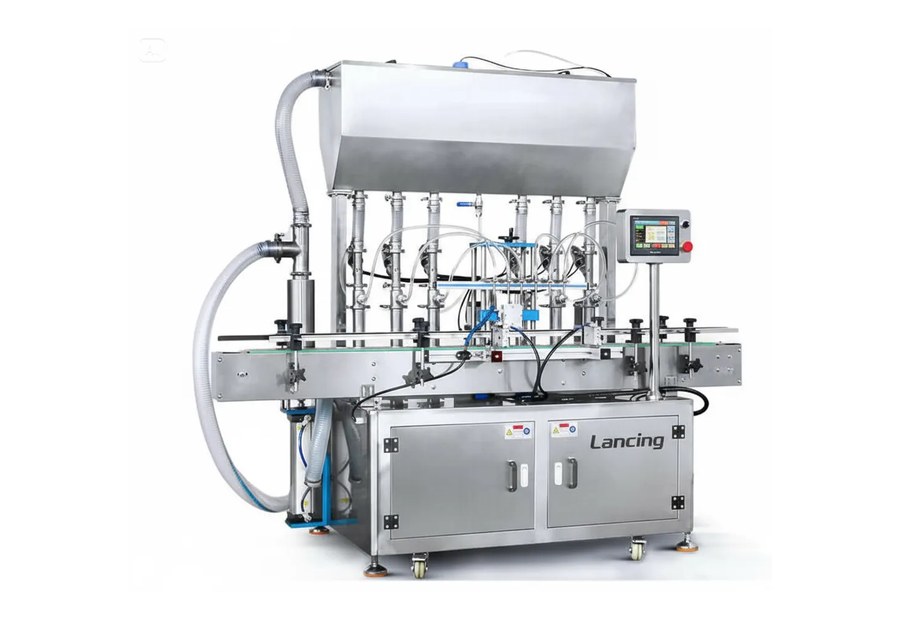
Multi-head servo piston filling machine for liquids and pastes

Video demonstration

See a Lancing servo filling machine in operation.

See the dosing, HMI and container movement on a working filling machine. Your final ATEX configuration is specified separately from the product data, hazardous-area classification, container and installation conditions.

Machine range FAQs

What we need to recommend the right machine.

Which filling principle is best for an ATEX application?

There is no single best principle. Piston, gear-pump, peristaltic, mass-flow, magnetic-flow and weigh filling can all be considered where compatible. Product behaviour, contact materials, required tolerance, cleaning and hazardous-area controls determine the shortlist.

Can one ATEX filler cover several container sizes?

Often yes, but the practical range depends on neck opening, container stability, fill volume, change-parts strategy, nozzle travel and changeover frequency.

Are the published speeds guaranteed?

No. Published values are reference platform figures. A project quotation should state the tested or expected performance for the declared product, dose, container and line conditions.

Your machine recommendation

Tell us what you need to fill — we’ll recommend the most suitable machine.

Send your product SDS, container details, fill range, target output and any ATEX information. You’ll receive a practical shortlist matched to your application.

☎ 01494 623015✉ sales@lancinguk.com

Direct support for new machines, line upgrades and complete filling projects.

Protected by built-in anti-spam checks. No third-party CAPTCHA or tracking service is used.

Engineering comparison

Compare machines by the controlling process variable—not by the label on the brochure.

The initial choice is normally controlled by product behaviour, the measurement method, the pack and the way vapour, drips and static are managed. A product trial can confirm fill behaviour, but the hazardous-area and equipment specification still requires competent classification information and an agreed conformity scope.

Selection questionWhat to establishLikely route to compare
How should quantity be measured?Target volume or mass, tolerance method, density variation and legal/metrology requirements where applicable.Piston, pump, flow-meter or load-cell weigh filling.
How does the product leave the nozzle?Foam, splash, vapour, stringing, particles, drips and shut-off behaviour at the required rate.Diving nozzles, positive shut-off, controlled fill profiles or a lower-speed trial.
How is the container presented?Neck opening, stability, conductivity, filled weight, manual handling, indexing and changeover range.Automatic bottle filling, operator-assisted stations or large-pack handling.
Where can an explosive atmosphere occur?Release sources, zone boundaries, duration, ventilation, product transfer and downstream equipment affected.Equipment and line scope developed from the competent site classification.
What must happen after filling?Drip control, capping, labelling, coding, inspection, accumulation and discharge.A stand-alone filler or a coordinated ATEX filling line.

Hazardous-area context

Use the zone definition to set design inputs, not as a substitute for the assessment.

HSE guidance describes gas, vapour and mist zones by the likelihood and duration of an explosive atmosphere. The room, the point of release and the inside of product-handling equipment can have different conditions. The competent classification should define the actual boundaries and the protection requirements used for machinery selection.

ZoneHSE definition in practical termsInformation the machinery project still needs
Zone 0An explosive atmosphere is present continuously or for long periods.Exact extent, gas or vapour group, temperature class, process enclosure, release control and the intended protection concept.
Zone 1An explosive atmosphere is likely to occur in normal operation occasionally.Normal release scenarios, ventilation assumptions, operating procedures, equipment interfaces and access for inspection.
Zone 2An explosive atmosphere is not likely in normal operation and, if it occurs, will persist only briefly.Abnormal release scenarios, boundaries, detection or ventilation measures and the equipment that remains inside the classified area.

Lancing should not be asked to infer the zone from the product name.

Share the current DSEAR assessment or hazardous-area drawing where available. When the assessment is incomplete, the machinery shortlist can remain provisional, but the final equipment category, marking, documentation and installation requirements cannot be closed on an assumption.

See the DSEAR and ATEX responsibility guide

Further buyer questions

Questions that should be resolved before final selection.

Is a completed DSEAR assessment required before requesting a quotation?

A preliminary discussion can begin with the SDS, process description and known site information. The final hazardous-area machinery specification requires competent classification inputs, so any quotation produced before they are available should clearly state the assumptions and outstanding responsibilities.

Can a successful product trial prove ATEX or DSEAR compliance?

No. A trial can demonstrate filling behaviour, cut-off, foam control, container handling and cleaning under stated conditions. It does not replace the workplace risk assessment, hazardous-area classification, ignition-risk assessment or conformity process.

What happens when the same site fills hazardous and non-hazardous products?

The operating modes, product changeover, cleaning, recipe control and area classification need to be reviewed together. A common machine may be possible, but every intended product and mode must be included in the agreed specification rather than treated as an informal future use.

Related Lancing specialists

This site remains focused on hazardous-area filling. For a general liquid-filler comparison without an ATEX requirement, use Liquid Fillers. For volumetric technology in its own right, use Volumetric Fillers. For broader packaging-line design outside the hazardous-area focus, use Packaging Lines. The ATEX project can link those technologies back to the site classification and ignition-control requirements.

Need a filling system that fits your product, packs and output?

Share your SDS, hazardous-area information, containers, fill volumes, target output and any capping or labelling stages.

Get my machine recommendation
Call 01494 623015Get a quote