
Practical ATEX filling advice for your product, packs and production target

Planning resources

ATEX filling guides that help you specify the right machine.

Prepare a stronger project brief with practical guidance on the product, hazardous area, containers, output, utilities, integration and documentation.

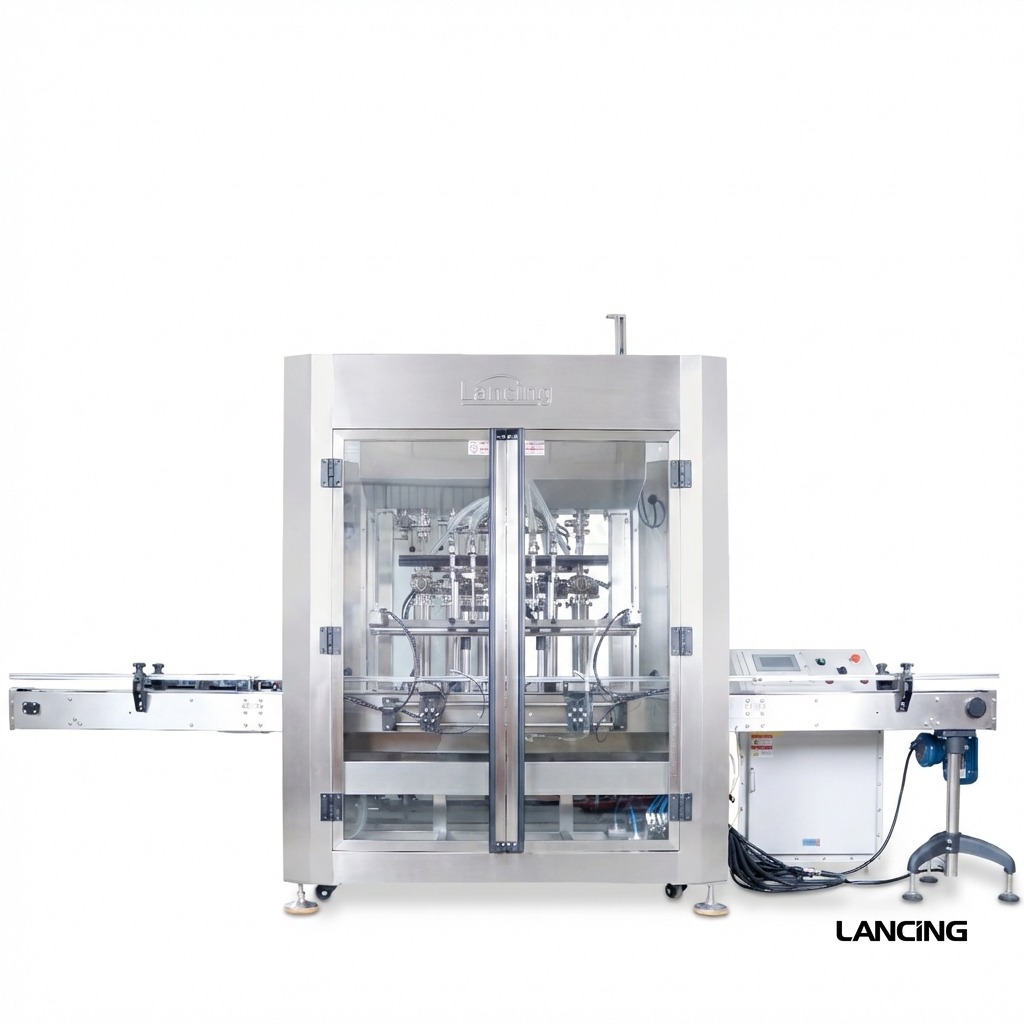
Automatic ATEX filling machinery used to illustrate the buyer guides
Buyer guide

ATEX filling machine guide

Understand the sequence from SDS and area classification through dosing, static control, line integration, documentation and project support.

  • Hazardous-area brief
  • Filling principle selection
  • Whole-line review
  • Testing and documentation
Read the complete guide
Project worksheet

ATEX specification checklist

Collect the product, pack, zone, performance, utility and delivery information needed for a faster and more accurate machinery review.

  • Product and hazard data
  • Zone, group and temperature class
  • Container and closure details
  • Layout, output and support scope
Open the printable checklist

Official references

Use current UK guidance alongside the commercial project brief.

The buyer guide links to HSE, GOV.UK and legislation.gov.uk sources for DSEAR and equipment intended for potentially explosive atmospheres. A competent assessment and project-specific conformity plan remain essential.

Open official UK reference links

Additional planning guides

Resolve responsibilities and acceptance before the machine is ordered.

These guides extend the existing specification content without replacing competent site assessment or project-specific engineering.

Additional engineering guide

Define earthing, bonding and static-control interfaces for the complete filling path.

The new guide separates the workplace control strategy from the machinery connection, monitoring and interlock scope. It covers conductive and insulating containers, product transfer, proof testing, maintenance and the evidence needed for a project-specific review.

E

Earthing, bonding and static control

Use the product, container and transfer path to prepare a competent static-hazard review rather than relying on a generic clamp or accessory.

Open the static-control guide

T

Connect it to trials and FAT

Define which connections, monitoring functions and interlocks can be tested at the factory and which installed-earth checks remain for SAT.

Open the trials and FAT guide

Expanded buyer and engineering guides

Choose the next guide from the decision you need to close.

Automatic vs semi-automatic

Automation, operator task, campaigns, changeover, controls and total project scope.

Load-cell vs volumetric filling

Measured quantity, density, tare, product behaviour and acceptance method.

ATEX machine cost factors

Build comparable quotations without unsupported headline prices.

Installation and site preparation

Layout, utilities, extraction, earthing, drainage, delivery and SAT.

Cleaning and changeover

Isolation, product recovery, flushing, format settings and verified release.

Maintenance and inspection

Ex equipment, mechanical risks, product path, parts and return to service.

Vapour extraction and containment

Release sources, capture, monitoring, commissioning and machine response.

Controls and interlocks

Permissives, cause-and-effect logic, safe states, FAT and SAT.

Question library

The question library organises practical answers by hazardous-area need, zone, container, output, upgrade and nozzle selection, with links back to the detailed machinery and engineering guides.

Hazard and zone decisions

Start with the dangerous substance, release scenario and competent area classification before selecting equipment.

Machine and pack decisions

Compare automation, measurement, container material, handling and sustained-output requirements.

Integration and evidence

Review retained equipment, nozzles, controls, trials, FAT, SAT and quotation evidence.

Open the ATEX filling question library →

Evidence and integration guides

Close the product-contact, documentation and closure decisions.

These guides address three project gaps that can remain hidden after a filler type has been selected: whether the complete wetted path is compatible, whether the equipment evidence matches the site duty, and how the open filled pack reaches a secure closure.

Classification and control guides

Resolve market, equipment and detection questions before the machine duty is fixed.

Newest project guides

Large containers, measurement and oxygen control.

Filling-process selection

New guides for protection concepts, nozzle movement, pumps and abnormal shutdown.

Measurement and product quality

Connect the engineering choice with release of the finished pack.

Use ATEX filling accuracy and checkweighing to define tare, reference checks, density conversion, sample timing and reject handling. This guide complements rather than replaces the existing measurement-method comparisons.

For formulation-specific production tasks, compare finished ink packing and separate resin and hardener packaging. The application pages explain the additional quality evidence needed beyond the nominal fill quantity.

Need a filling system that fits your product, packs and output?

Share your SDS, hazardous-area information, containers, fill volumes, target output and any capping or labelling stages.

Get my machine recommendation
Call 01494 623015Get a quote