
Operations guide
ATEX filling machine cleaning and changeover.
Define a controlled route from campaign stop through draining, cleaning, format adjustment, verification and safe restart.
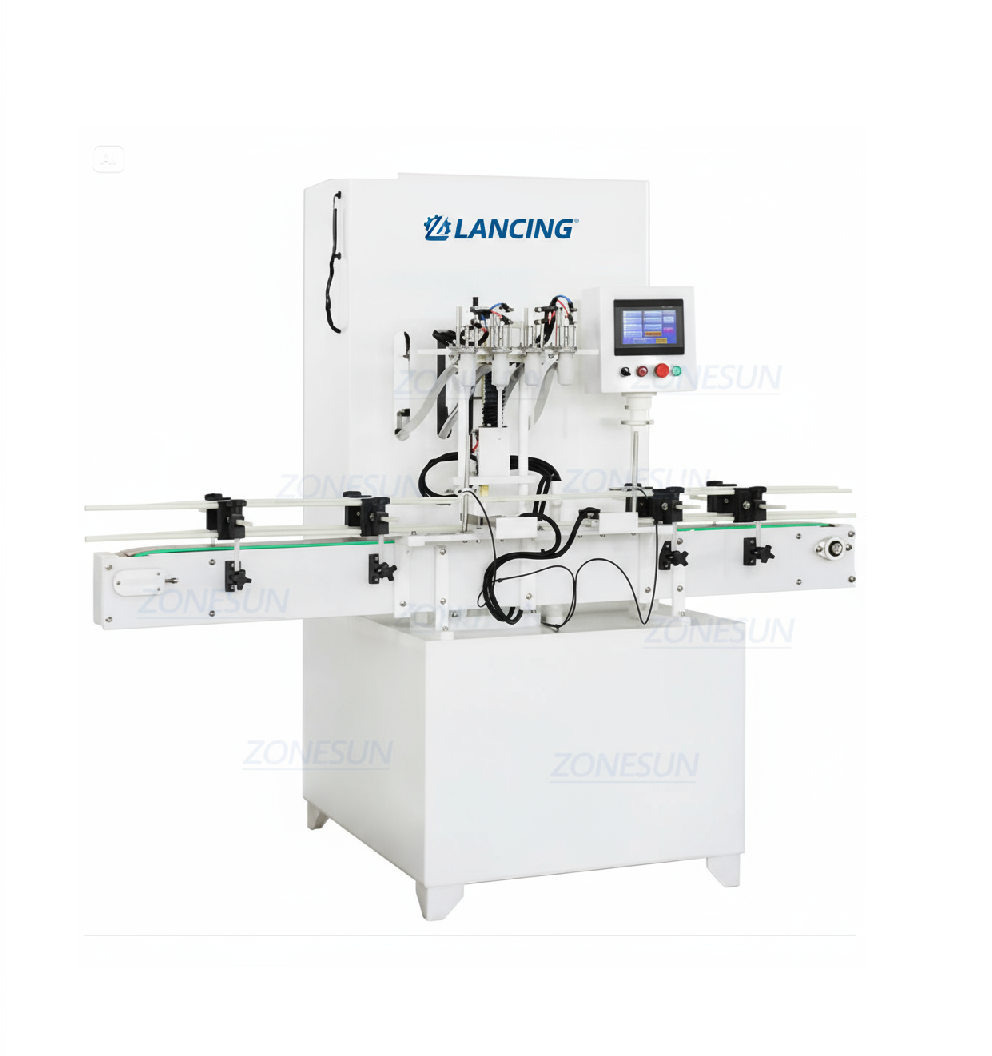
Cleaning can change the hazardous-area risk
Draining, opening the product path, flushing and using a different cleaning medium can create release and ignition conditions that do not occur during normal filling. The cleaning method requires its own competent review and controlled procedure.
Design changeover around the approved product and format family.
An ATEX filling machine should have a defined route from the end of one campaign to the verified start of the next. That route includes product recovery, isolation, draining, flushing or dismantling, inspection, reassembly, recipe selection, format adjustment and confirmation that all required controls are restored.
“Easy to clean” is not an acceptance criterion. The project should identify the surfaces and retained volumes that matter, the permitted cleaning media, who performs each task and how completion is checked.
Changeover sequence
Define the state of the machine at every step.
| Stage | Questions to close | Evidence or control |
|---|---|---|
| Stop and isolate | How is product feed stopped, pressure released and energy isolated? | Approved stop/isolation sequence and verification before access. |
| Recover and drain | Where does remaining product go and which low points or hoses retain liquid? | Defined recovery containers, drain points and waste route. |
| Flush or dismantle | Which medium, volume, temperature, circulation or manual cleaning is permitted? | Compatibility review, controlled method and any ventilation/extraction requirements. |
| Inspect and reassemble | Which seals, hoses, valves and nozzles are checked or changed? | Inspection checklist, correct parts, torque/connection controls and line clearance. |
| Change format and recipe | Which guides, positions, tare values, timing or product parameters change? | Controlled settings, recipe permissions and independent verification where required. |
| Release to production | How is cleanliness, correct assembly and safe condition confirmed? | Documented release check, first-off results and authorised restart. |
Review materials across the complete product path.
Compatibility includes hoses, seals, valve seats, pump or piston components, meters, nozzles, tanks and temporary cleaning connections. The same material name can exist in different grades or formulations, so the approved specification and supplier evidence should identify the actual components.
For aggressive products, the corrosion-resistant filling page explains why chemical compatibility and explosion protection are separate project questions.
Control retained product and cross-contamination.
Map high points, low points, dead legs, flexible hoses and cavities. Decide whether recovery, purge, flush, disassembly or dedicated product-contact sets are required. The chosen method should be proportionate to the product hazard, quality requirement and campaign sequence.
Where cleaning waste is flammable, corrosive or otherwise hazardous, containment and disposal must be planned with the site’s procedures and legal duties.
FAT evidence
Test access and repeatability, not only a clean final photograph.
- Time the agreed drain, dismantle, cleaning, reassembly and format-adjustment sequence.
- Record tools, lifting or access aids and the parts that must be removed.
- Observe retained product and identify areas that require design or procedural controls.
- Confirm the compatibility and hazardous-area assumptions for the cleaning medium.
- Verify that guards, clamps, hoses, sensors and recipes are restored correctly before restart.
- Record first-off fill results and any product or cleaning evidence required by the buyer.
Cleaning FAQs
ATEX filling cleaning and changeover questions.
Can a flammable cleaning solvent create a separate hazardous operating case?
Yes. Cleaning can change release points, quantities, ventilation, operator access and ignition risks. It should be included in the DSEAR and machinery review rather than treated as a routine housekeeping step.
Is flushing enough to prove the filler is clean?
Not necessarily. The required endpoint depends on product compatibility, contamination risk, retained volume, process quality and waste controls. The method should state how the cleaned condition is verified.
What parts commonly affect changeover?
Nozzles, hoses, seals, valves, guides, rails, indexing devices, recipes, product supply connections, caps and labels may all change. The exact list is machine- and format-specific.
Should cleaning be tested during FAT?
Where it is part of the intended use, FAT can observe drainability, access, dismantling and the agreed cleaning sequence. Site drainage, extraction and waste interfaces may still require SAT verification.
How should a new product be introduced later?
Use a formal change review covering SDS, flammability, compatibility, viscosity, temperature, cleaning, container, classification, documentation and trial evidence before adding it to the approved operating envelope.
Your machine recommendation
Tell us what you need to fill — we’ll recommend the most suitable machine.
Send your product SDS, container details, fill range, target output and any ATEX information. You’ll receive a practical shortlist matched to your application.
☎ 01494 623015✉ sales@lancinguk.comDirect support for new machines, line upgrades and complete filling projects.