
Lifecycle guide
ATEX filling machine maintenance and inspection.
Build a competent, evidence-led maintenance system for product-contact equipment, ignition controls, interlocks and facility interfaces.
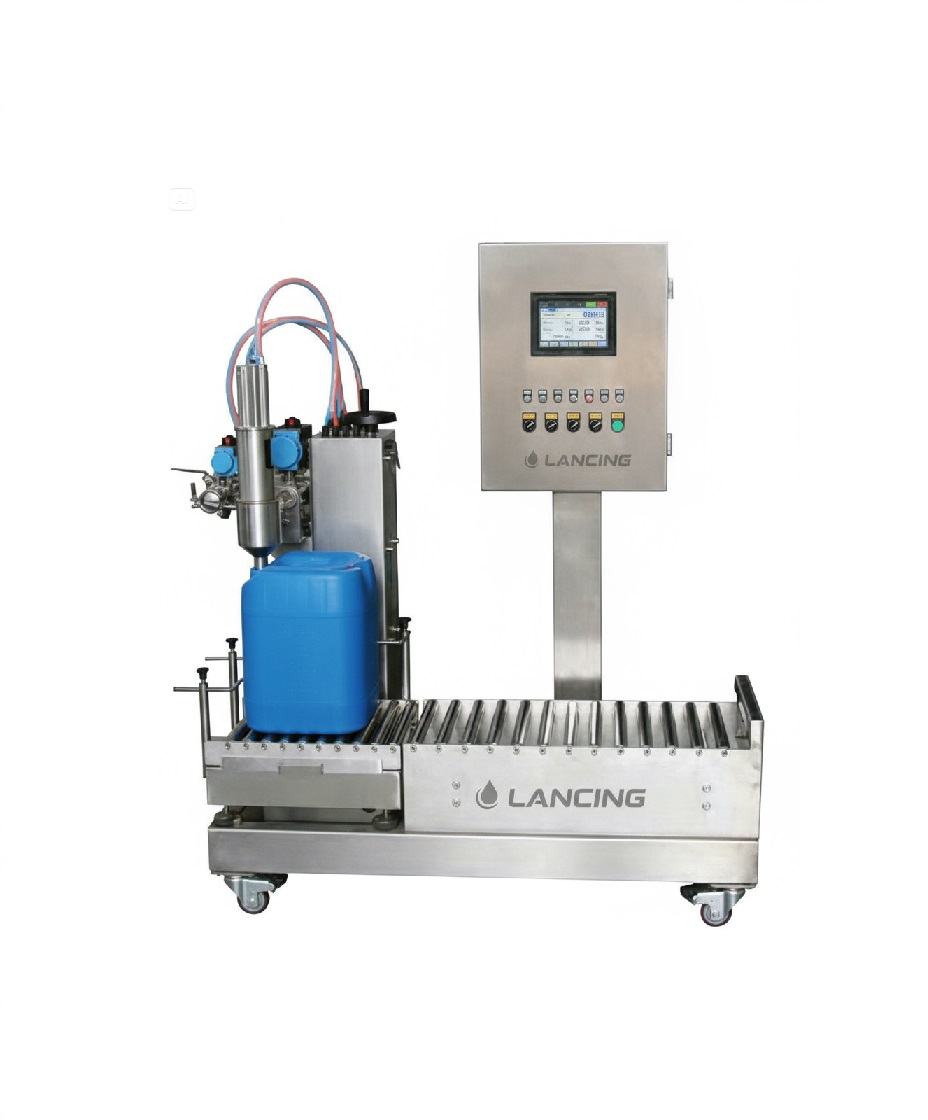
Competence and approved instructions
Maintenance and inspection must follow the supplied equipment documentation, site DSEAR arrangements and applicable competent-person requirements. This guide is not a substitute for an Ex inspection schedule or the manufacturer’s instructions.
Maintain the controls that keep the machine inside its approved operating envelope.
ATEX filling equipment combines product-contact components, mechanical movement, electrical or pneumatic controls, static-control provisions and facility interfaces. Maintenance should therefore cover both production reliability and the features relied on to prevent or control ignition and release.
A generic “annual service” statement is insufficient unless it identifies the tasks, competence, intervals, acceptance criteria and records. Inspection frequency should be risk-based and respond to environment, duty, product, cleaning, previous findings and the equipment documentation.
Maintenance matrix
Build the schedule around equipment function and hazardous-area significance.
| System | Typical review topics | Evidence to retain |
|---|---|---|
| Electrical and Ex equipment | Enclosures, glands, cable condition, fasteners, seals, markings, modifications and protective devices. | Inspection record, defects, corrective action, competent person and equipment identity. |
| Mechanical ignition risks | Bearings, rubbing, alignment, impact, hot surfaces, brakes, guards and abnormal noise or temperature. | Condition checks, lubrication where specified, repairs and post-work verification. |
| Earthing and bonding | Conductors, clamps, connection points, continuity, monitoring and damage from production or cleaning. | Test method, results, limits, instrument identity and response to failure. |
| Product path | Leaks, hose condition, seals, valves, nozzles, retained product, compatibility and secure connections. | Inspection findings, replaced parts, material/part identity and pressure or leak test where specified. |
| Controls and interlocks | Emergency stops, guards, sensors, permissives, alarms, safe states, recipes and software changes. | Functional test record, expected response, result and authorised change history. |
| Facility interfaces | Extraction signal, air and power quality, product supply, drainage, fire controls and surrounding layout. | Interface inspection, commissioning/maintenance results and outstanding actions. |
Control parts and modifications.
Replacement parts should match the approved specification or be subject to a documented engineering review. Substituting a hose, seal, sensor, cable gland, motor or valve can affect compatibility, temperature, ignition risk, protection concept or control response even if it appears mechanically interchangeable.
Record the part identity, reason for replacement, installer, date and verification. Where a modification changes intended use or safety, review the risk assessment, documentation and conformity implications before return to service.
Use faults as evidence.
Repeated drips, unstable fills, nuisance trips, lost earth permissives, overheating, product leaks or frequent sensor adjustments should not be normalised. Trend defects and investigate the operating condition, product, pack, cleaning and maintenance history.
The controls and interlocks guide helps define functional tests; the earthing guide covers conductive paths and monitoring interfaces.
Return to service
Verify the machine after work before product is introduced.
- Confirm parts, guards, fasteners, hoses, electrical enclosures and connections are restored.
- Remove tools, temporary earths, bypasses and maintenance materials.
- Test affected alarms, interlocks, emergency stops and permissives.
- Check leak-tightness and product-path assembly using the approved method.
- Restore recipes, backups and controlled settings; record any authorised change.
- Complete the required area inspection and site permit close-out before production release.
HSE notes that equipment for explosive atmospheres should be regularly inspected and maintained by competent people. See HSE guidance on electricity in potentially explosive atmospheres and HSE explosive-atmosphere controls and maintenance context.
Maintenance FAQs
ATEX filling machine inspection questions.
Who should maintain ATEX filling equipment?
People carrying out work should be competent for the equipment, hazardous-area implications and task. The site should define authorisation, isolation, inspection records and when specialist support is required.
Is a visual check enough for explosion-protected equipment?
Inspection scope and interval depend on the equipment and applicable plan. Visual, close or detailed inspections may be required for different items; the competent maintenance system should define them.
What should be checked on the product path?
Hoses, seals, valves, fittings, nozzles, pumps or pistons, supports and drain points should be checked for wear, leakage, compatibility and secure assembly according to the machine instructions and risk.
Should software changes be controlled?
Yes. Recipe limits, interlocks, alarm responses and PLC/HMI changes can affect the intended use and safe behaviour. Changes should be authorised, tested, backed up and recorded.
When should the risk assessment be reviewed?
Review is appropriate after material changes, incidents, recurring faults, new products or packs, modified extraction or layout, control changes, or evidence that assumptions are no longer valid.
Your machine recommendation
Tell us what you need to fill — we’ll recommend the most suitable machine.
Send your product SDS, container details, fill range, target output and any ATEX information. You’ll receive a practical shortlist matched to your application.
☎ 01494 623015✉ sales@lancinguk.comDirect support for new machines, line upgrades and complete filling projects.