
Site preparation
ATEX filling machine installation and site preparation.
Coordinate the layout, hazardous-area information, services, extraction, earthing, product feed, installation and SAT before delivery.
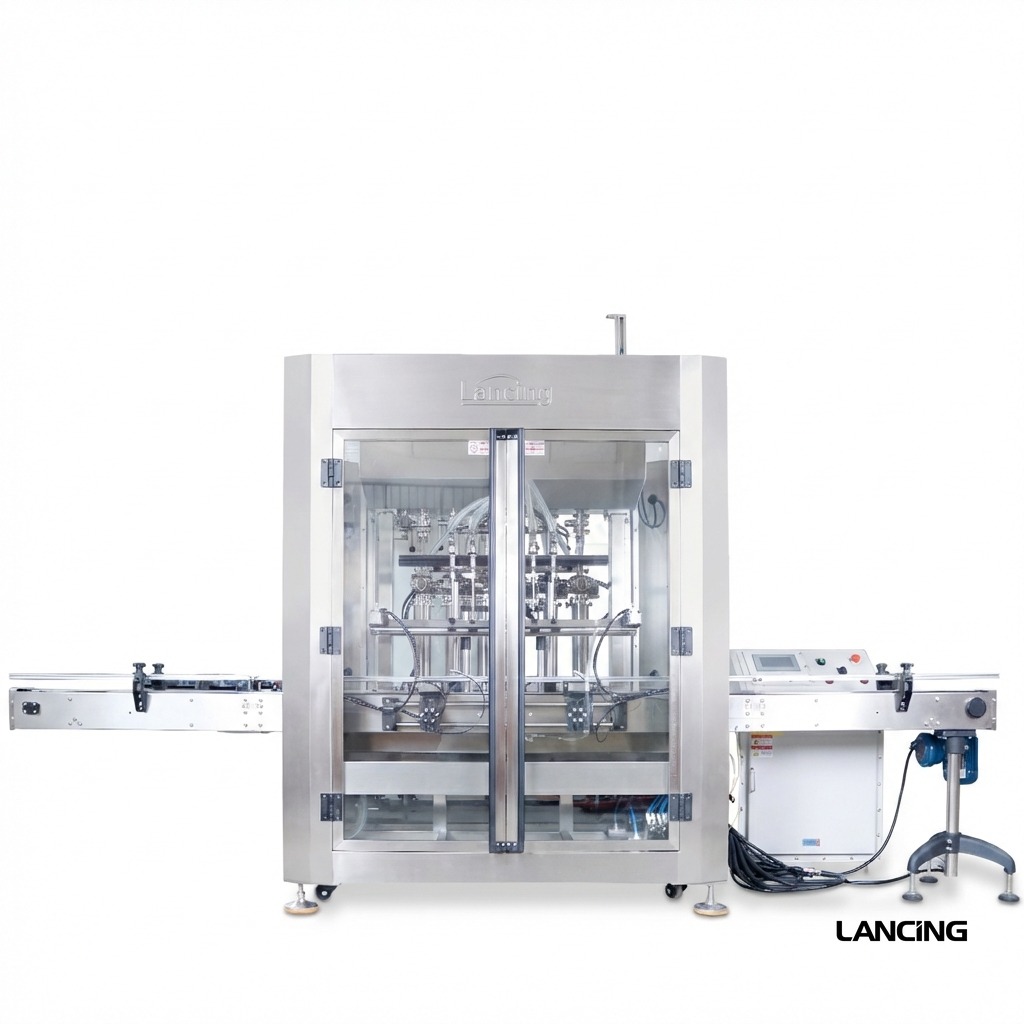
Site-specific engineering is required
This guide is a project-preparation aid. Facility design, hazardous-area classification, electrical installation, extraction, fire protection, drainage and statutory duties require the appropriate competent designers and site approvals.
Prepare the room and interfaces before the machine delivery date.
An ATEX filling machine can only operate as intended when its location, utilities, product supply, extraction, earthing and surrounding equipment match the approved specification. Site preparation therefore starts during machinery selection, not after FAT.
The project should maintain an interface register that names the responsible designer, supplier, installer and acceptance method for every connection. Items described only as “by others” are not controlled until an owner, due date and test are recorded.
Site-readiness matrix
Close the physical, utility and control interfaces in a single plan.
| Interface | Questions to answer | Acceptance evidence |
|---|---|---|
| Location and area classification | Where are the zone boundaries, release sources, ventilation assumptions and equipment positions? | Approved classification drawing and machinery layout using the same revision. |
| Access and floor | Can the machine be delivered, levelled, anchored where required, operated, cleaned and maintained? | Surveyed route, floor/load review, clearances and agreed installation method. |
| Electrical and controls | What supply, isolation, protective devices, cable routes, signals and interfaces are required? | Approved electrical scope, inspection records and tested signal schedule. |
| Compressed air and product feed | Can pressure, flow, quality and supply stability be maintained during peak demand? | Measured utilities and test under representative production load. |
| Extraction and ventilation | Who designs capture, ducting, discharge, monitoring, interlock and maintenance? | Commissioning results against the agreed criterion and tested machine response. |
| Earthing and bonding | Which conductive items form the path, how is it verified and what is monitored? | Installation inspection, continuity evidence and permissive tests where specified. |
| Drainage and spill control | Where do drips, drains, flush media and emergency releases go? | Approved containment and waste route compatible with the product and cleaning process. |
Freeze a coordinated layout.
Show product supply, filler, container infeed, closure equipment, operator positions, maintenance zones, extraction, electrical panels and discharge. Include doors, columns, fire routes, drains and nearby ignition sources or equipment that can enter the classified area.
For a complete line, use the ATEX filling line page and controls and interlocks guide to coordinate equipment locations and line behaviour.
Plan delivery, installation and verification.
Confirm shipping split, weights where available, lifting points, access route, unloading method, assembly sequence and installer responsibilities. Installation should preserve the approved equipment and cable/pipe protection, not improvise changes at site without review.
Before energisation or product introduction, complete the required inspections, service checks, earthing and extraction verification, guarding checks, software/recipe controls and site procedures.
FAT to SAT handover
Transfer every open item from the factory test into the site acceptance plan.
- List tests completed at FAT and the exact product, packs, recipes and conditions used.
- Identify installation-dependent tests that could not be completed at the factory.
- Track deviations, modifications and document revisions between FAT and delivery.
- Confirm site utilities and interfaces before scheduling the commissioning team.
- Use a controlled punch list with owner, due date, status and acceptance evidence.
- Record training, operating procedures, cleaning, maintenance and change-control responsibilities.
Authoritative UK context
Current guidance includes the HSE DSEAR overview, HSE ATEX equipment guidance and HSE information on explosive-atmosphere electrical and control risks. Apply them through the competent project and site teams.
Installation FAQs
ATEX filling machine site-preparation questions.
Who is responsible for hazardous-area classification?
The employer or project duty holder should appoint competent support to define the classification and its assumptions. The machinery supplier uses the approved information to develop the equipment and interface specification.
Should extraction be installed before the machine arrives?
The programme should allow the extraction design, duct routes, controls, commissioning method and machine interface to be agreed early. Final timing depends on the project, but an undefined extraction system can delay installation and SAT.
What utilities are normally reviewed?
Electrical supply, compressed air, product feed, extraction signals, earthing, drainage, lighting, communications and any heating or temperature control may be relevant. Requirements are confirmed for the selected machine.
Can a filler be installed in an existing room?
Potentially, after the layout, access, floor, services, area classification, ventilation, fire controls, drainage and surrounding equipment are assessed. Existing rooms should not be assumed suitable without that review.
What remains for SAT after FAT?
SAT normally addresses installation-dependent items such as services, earthing, extraction, interfaces, line controls, guarding, product supply, site procedures and operation under the agreed site conditions.
Your machine recommendation
Tell us what you need to fill — we’ll recommend the most suitable machine.
Send your product SDS, container details, fill range, target output and any ATEX information. You’ll receive a practical shortlist matched to your application.
☎ 01494 623015✉ sales@lancinguk.comDirect support for new machines, line upgrades and complete filling projects.