Do not infer the group from a trade name
A product name such as thinner, cleaner or fragrance does not define one gas group. Use the current formulation data and the competent classification.

Hazardous-area selection guide
Use the competent area-classification information to define the equipment duty. Zone, gas or vapour group, temperature class, ambient limits and the physical extent of the hazardous area all need to agree with the actual filling process.
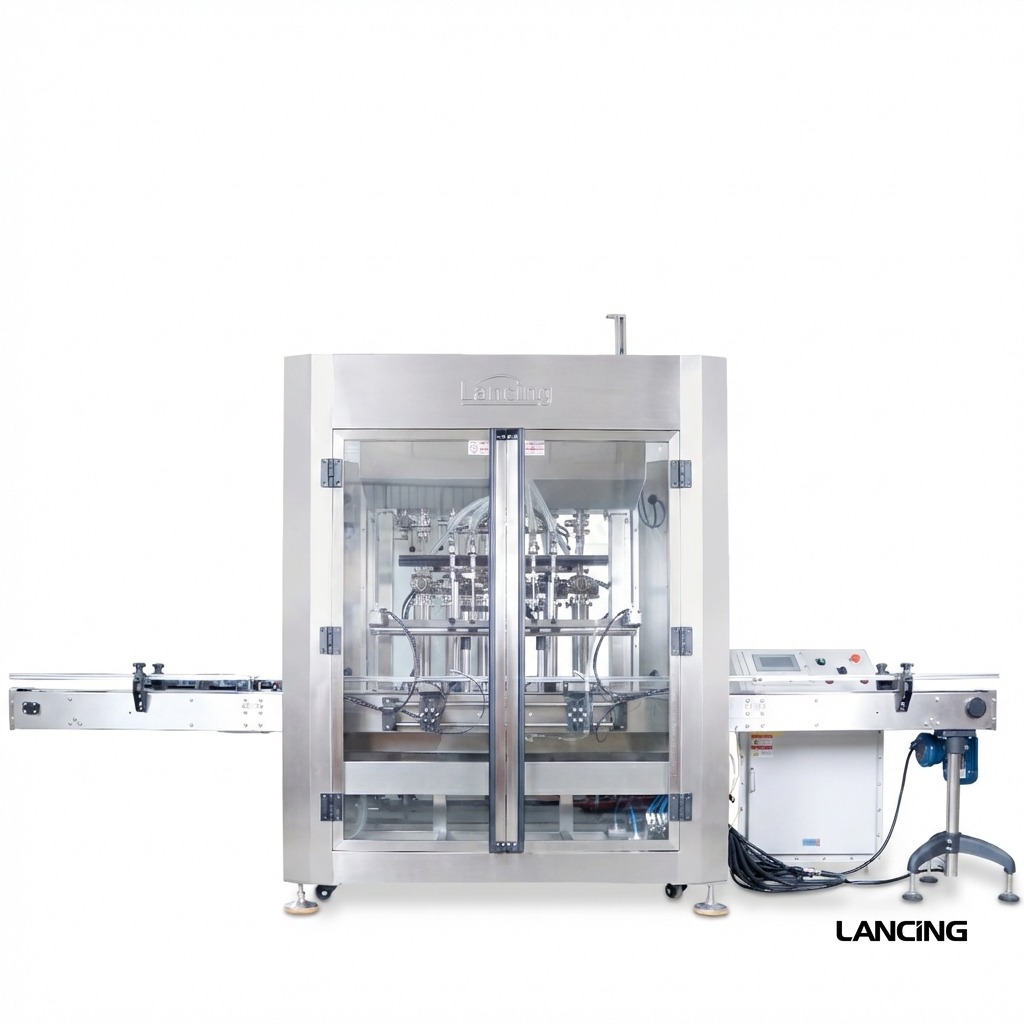
A Zone number alone is not enough to specify an ATEX filling machine. The equipment duty also depends on the gas or vapour group, the required temperature class or maximum surface temperature, the extent of the classified area, the intended operating modes and the complete ignition-source assessment. These inputs must come from the competent project classification and be checked against the real product, filling temperature, containers and installation.
This guide supports early machinery specification. It does not classify a workplace, select a protection concept or approve a machine for a particular installation.
Provide the approved Zone, gas or vapour group, temperature requirement, equipment category or protection level where specified, ambient range and a drawing showing the actual zone boundary. The supplier also needs to know which parts of the filler, product supply, conveyor, capper, labeller, extraction system and control equipment are inside or can affect the classified area.
| Project input | What it describes | Machinery question to close |
|---|---|---|
| Zone and physical extent | Where an explosive atmosphere may occur and its likelihood or persistence. | Which machine parts, sensors, drives, controls and connected equipment are inside the classified boundary? |
| Gas or vapour group | The ignition characteristics used to define the appropriate equipment subgroup. | Does the complete supplied equipment duty match the approved group rather than only one protected component? |
| Temperature class | The permitted maximum surface-temperature class for equipment in a gas or vapour atmosphere. | Do normal operation, faults, friction, bearings, motors, heaters and the product temperature remain within the agreed basis? |
| Ambient and process limits | The temperatures and pressures under which the assessment applies. | Are the machine, controls, seals, product supply and cleaning cycle used only within those limits? |
| Category or EPL requirement | The required protection level for equipment intended for the classified location. | Has the buyer supplied the competent requirement and is it traced to the equipment schedule and marking? |
IIA, IIB and IIC are equipment subgroups used for gas and vapour explosive atmospheres; they are not a ranking of how hazardous the liquid is in every respect. The competent assessment identifies the applicable group from the substance and release conditions. The machinery evidence must then show that the relevant electrical and non-electrical equipment is suitable for the required duty.
A product name such as thinner, cleaner or fragrance does not define one gas group. Use the current formulation data and the competent classification.
Choosing the most demanding subgroup without an engineering basis can restrict equipment unnecessarily and still leave other process risks unresolved.
Motors, valves, sensors, scales, bearings, enclosures, conveyors and non-electrical ignition sources must be considered within the agreed machine boundary.
For gas and vapour atmospheres, the temperature class identifies the maximum surface temperature permitted for the equipment under the applicable assessment. It is not the product operating temperature, a heater set point or a universal safe temperature for the installation.
| Class | Maximum equipment surface temperature | Filling-project implication |
|---|---|---|
| T1 | 450°C | The project still needs the substance ignition data and all applicable equipment conditions. |
| T2 | 300°C | Check hot surfaces, motors, bearings, friction and credible faults across the assembled machine. |
| T3 | 200°C | Confirm product heating, cleaning temperatures and connected equipment remain within the agreed basis. |
| T4 | 135°C | Trace the requirement to the equipment schedule rather than assuming every component shares one marking. |
| T5 | 100°C | Review the availability and limitations of the required equipment and protection concepts early. |
| T6 | 85°C | Do not request T6 as a generic premium feature; use the competent substance and process evidence. |
HSE explains that DSEAR links hazardous-area Zones with suitable equipment and that standards further distinguish equipment by gas group and temperature classification. Use the HSE area-classification guidance, HSE ATEX guidance and the current Great Britain list of designated standards with competent project advice.
Buyer questions
No. Zone 1 describes likelihood and persistence, but the equipment specification also needs the gas or vapour group, temperature class or maximum surface-temperature requirement, ambient limits, zone extent and equipment protection requirement. The project must also define the product, containers, release points and connected equipment.
No. An equipment subgroup does not approve material compatibility, process temperature, static control, extraction, containment, cleaning or the complete site installation. Suitability depends on the full operating case and the evidence for the assembled machine.
No. T6 sets a lower maximum surface temperature, but the correct requirement must come from the substance and competent assessment. Over-specification can add constraints without resolving unrelated hazards, while under-specification can be unsafe.
The SDS can provide important substance data, but it does not by itself classify the workplace or approve an equipment duty. Add the actual formulation, process temperature, release conditions and competent area-classification information.
Yes. The Great Britain equipment regulations apply to electrical and mechanical equipment intended for explosive atmospheres. Bearings, friction, impact, static, hot surfaces and other non-electrical ignition sources belong in the complete-machine assessment.
Send the approved Zone drawing, gas or vapour group, temperature requirement, product SDS, operating temperature, container range, fill process, utilities, extraction and connected-line scope. Lancing can then identify the machinery questions and evidence still to be closed.
Continue the specification
Understand what the Zone describes and which additional equipment inputs are still required.
Trace the approved classification into the equipment schedule, instructions and handover evidence.
Prepare the product, pack, site and acceptance information needed for a useful quotation.
Your machine recommendation
Send your product SDS, container details, fill range, target output and any ATEX information. You’ll receive a practical shortlist matched to your application.
☎ 01494 623015✉ sales@lancinguk.comDirect support for new machines, line upgrades and complete filling projects.
Share your SDS, hazardous-area information, containers, fill volumes, target output and any capping or labelling stages.