Practical ATEX filling advice for your product, packs and production target

Hazardous-area classification question

What is the difference between Zone 1 and Zone 2 for filling equipment?

The zone describes how often and for how long an explosive gas atmosphere is expected, but the drawing and equipment duty need more detail than the zone number alone.

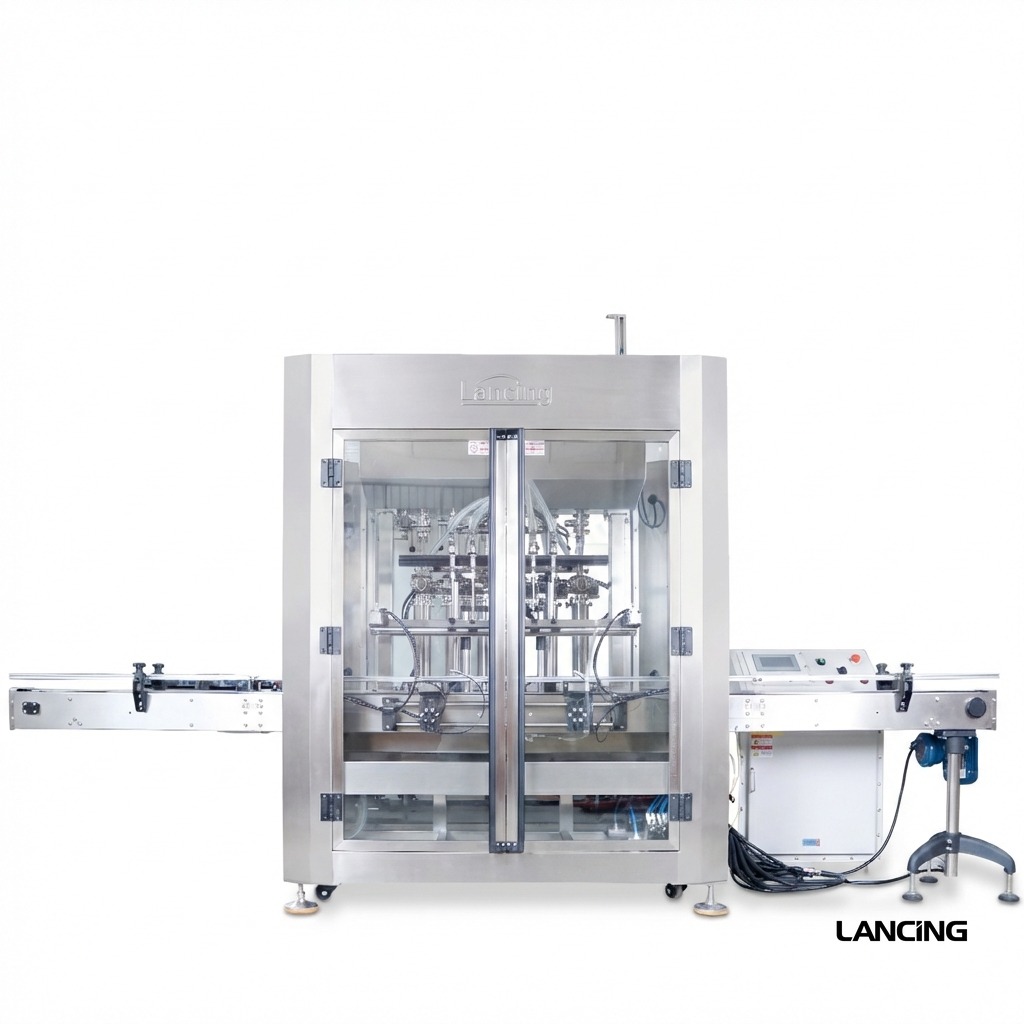
Automatic ATEX filling line used to explain Zone 1 and Zone 2 equipment boundaries

Direct answer

Zone 1 describes an area where an explosive gas atmosphere is likely to occur occasionally in normal operation; Zone 2 describes an area where it is not likely in normal operation and, if it occurs, is expected only for a short time. Those definitions describe probability and duration. They do not, on their own, select a complete filling machine or define the zone boundary.

The equipment review also needs the substance group, temperature requirement, drawing extent, intended location, release sources, ventilation assumptions, operating modes and the electrical and non-electrical ignition risks of the assembled system.

Classification to equipment

Read the drawing, notes and operating case together.

InputQuestion for the filling projectWhy it matters
Zone and spatial extentWhich machine parts, containers and downstream stages are actually inside the boundary?Equipment duties follow location and intended use, not the page title of a machine.
Substance and temperature dataWhat gas or vapour group and temperature constraints have been declared?The zone number alone is incomplete equipment information.
Release and ventilation assumptionsWhich normal and abnormal releases underpin the classification?A changed fill rate, hood, container or product can alter the basis.
Operating modesAre cleaning, draining, sampling, maintenance and fault recovery included?Temporary work may place different equipment and people near an open product path.

Buyer questions

Three questions to ask before assigning equipment to a zone.

Does Zone 1 mean every part of the line needs the same protection?

No. The equipment duty follows the actual location, intended use and way each item can create or control an ignition risk. A filling nozzle, conveyor motor, capper, sensor and control panel may occupy different locations or be separated from the classified boundary, but the complete line interface still needs review.

The drawing should show boundaries in plan and elevation and identify equipment that crosses or influences them. Do not assume that every item requires identical treatment or that an item outside the line’s main frame is irrelevant.

Can equipment outside the zone still affect the filling process?

Yes. Equipment outside the classified area can still affect the safe operation of the filling process through container transfer, extraction, product supply, controls, communication, emergency stops or downstream accumulation. Its location may change its own equipment requirements, but not the need to define the interface.

Record signals, physical connections, failure responses and the state reached when the external equipment is unavailable. The controls and interlocks guide provides a cause-and-effect framework.

What information should accompany a zone drawing?

A useful zone drawing should be accompanied by the classification basis: substances, release sources, grades of release, ventilation assumptions, zone type and extent, temperature and group information, operating modes and document revision. The machinery supplier also needs the intended equipment position and the process sequence.

A drawing without its assumptions can be misapplied when the product, fill rate, hood, room ventilation or container changes. Treat revisions as controlled project inputs.

Do not select from the zone number alone.

HSE describes hazardous-area classification as an assessment of the probability and likely duration of a flammable atmosphere. Review HSE’s zone definitions, classification context and ATEX equipment guidance with a competent specialist.

Your machine recommendation

Tell us what you need to fill — we’ll recommend the most suitable machine.

Send your product SDS, container details, fill range, target output and any ATEX information. You’ll receive a practical shortlist matched to your application.

☎ 01494 623015✉ sales@lancinguk.com

Direct support for new machines, line upgrades and complete filling projects.

Protected by built-in anti-spam checks. No third-party CAPTCHA or tracking service is used.

Need a filling system that fits your product, packs and output?

Share your SDS, hazardous-area information, containers, fill volumes, target output and any capping or labelling stages.

Get my machine recommendation
Call 01494 623015Get a quote