
Automation comparison
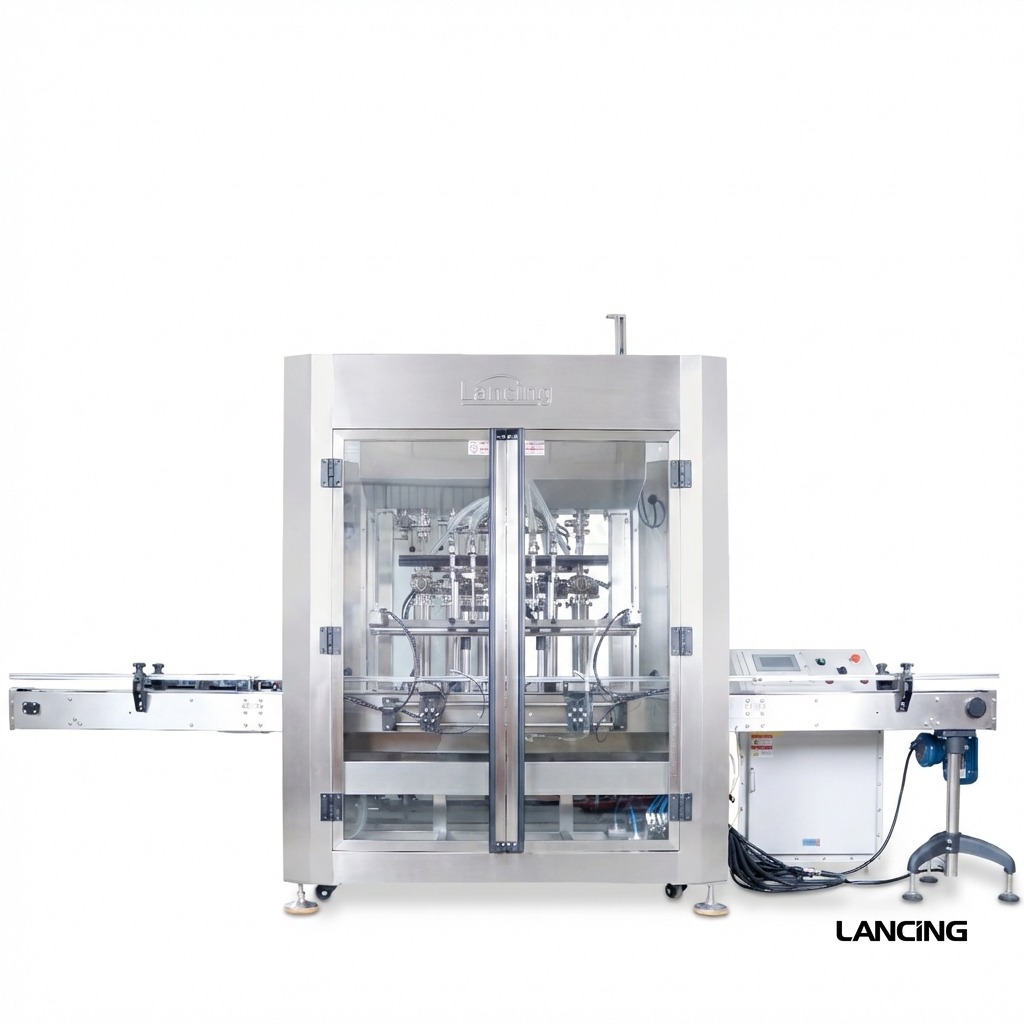
Automatic vs semi-automatic ATEX filling machines.
Choose the automation level from the complete production cycle, operator task, changeover pattern, line integration and hazardous-area project requirements.
Decision boundary
This guide helps structure a machinery comparison. It does not determine the hazardous-area classification or replace a competent DSEAR assessment, ergonomic assessment, machinery risk assessment or site-specific engineering review.
Choose the automation level from the complete operating cycle.
Semi-automatic and automatic ATEX filling machines can use similar dosing principles, but they allocate container handling, cycle initiation, monitoring and recovery differently. The correct comparison includes how the operator interacts with the product and pack, what happens between filling and closure, and how the line behaves during a fault or changeover.
A semi-automatic route can be commercially effective for lower-volume, varied or heavy-pack work. An automatic route can reduce repetitive handling and support sustained output when the product supply, bottle control, capping and downstream stages are equally capable. Neither route is automatically simpler once hazardous-area interfaces, extraction, static and cleaning are included.
Comparison matrix
Compare the same project case rather than two headline machine descriptions.
| Decision factor | Semi-automatic route | Automatic route |
|---|---|---|
| Container movement | Operator presents and removes packs, sometimes with rollers or assisted handling. | Conveyors, sensors and indexing devices control presentation and discharge. |
| Production pattern | Often suited to shorter campaigns, varied packs or intermittent operation. | Often suited to repeatable campaigns where all stages can sustain the required output. |
| Operator task | More direct handling; ergonomics, exposure and consistent task sequence need explicit design. | Less routine handling at the fill point, but recovery, replenishment and intervention remain important. |
| Changeover | Accessible adjustment can help varied work, but manual settings need controlled verification. | Recipes and repeatable settings may help, while guides, indexing and downstream modules can add change parts. |
| Controls | Cycle start and permissives are often station-focused. | Cause-and-effect logic extends across infeed, filler, closure equipment, rejects and accumulation. |
| Investment case | Compare equipment, operator time, handling aids, throughput and future upgrade limits. | Compare line equipment, integration, guarding, controls, factory testing, site installation and utilisation. |
Start with demand and campaign structure.
Record normal and peak demand, campaign length, product count, pack count, changeovers, staffing and the production hours available. An output target should state whether it is a short maximum or a sustainable rate including filling, closure handling, rejects, replenishment and routine stops.
For varied contract packing, a flexible semi-automatic ATEX filler may reduce dedicated change parts. For stable bottle production, an automatic ATEX filling machine may provide the stronger route when capping and downstream transfer are balanced.
Model the operator task honestly.
Count every lift, reach, clamp connection, button press, cap placement, check and move. Include filled-pack weight, spill recovery and the handling of rejects. Where the task would be repetitive or physically demanding, automation or mechanical handling may be needed even if the nominal production volume appears modest.
Conversely, automation does not remove the need for safe access. The project should define jam clearance, isolation, product replenishment, cleaning and restart after a lost permissive.
Evidence before selection
Run a comparison trial using the real pack and an agreed operating case.
- Use the actual product where transport and test arrangements permit, or document the limits of a representative medium.
- Include the smallest, largest and least stable containers, plus all relevant closures.
- Measure sustained output over a representative run, not only a dry-cycle peak.
- Record operator actions, interventions, rejects, fill results and open-container time.
- Observe cleaning and changeover, including retained product and verification before restart.
- Test the agreed alarms, permissives and safe-state responses within the factory scope.
Use the ATEX trial and FAT guide to convert the comparison into an acceptance record.
Comparison FAQs
Automatic and semi-automatic filling questions.
Does semi-automatic always mean slower?
Not in every application. Cycle time depends on dose, product flow, container handling and operator task. The useful comparison is sustained filled-pack output with the real product and all required safety steps.
Can a semi-automatic filler be upgraded later?
Some projects can be planned for later conveyors, indexing or downstream integration, but upgradeability must be designed into the original controls, guarding, frame and intended-use scope. It should not be assumed.
Is automatic filling safer in a hazardous area?
Automation can reduce some operator contact, but it also introduces container handling, sensors, drives, accumulation and recovery modes. Safety depends on the complete risk assessment and implementation, not the automation label.
Which route is better for frequent product changes?
Operator-assisted equipment can provide easier access in some cases, while automatic systems may use recipes and repeatable settings. The better route depends on cleaning, retained product, change parts and the verification required before restart.
How should the options be compared commercially?
Compare the same operating case: product, pack, sustained output, staffing, changeovers, cleaning, downstream scope, documentation and acceptance tests. A headline machine price alone is not a like-for-like comparison.
Your machine recommendation
Tell us what you need to fill — we’ll recommend the most suitable machine.
Send your product SDS, container details, fill range, target output and any ATEX information. You’ll receive a practical shortlist matched to your application.
☎ 01494 623015✉ sales@lancinguk.comDirect support for new machines, line upgrades and complete filling projects.