
Practical ATEX filling advice for your product, packs and production target

ATEX enquiry evidence question

What SDS information is needed to specify an ATEX filling machine?

Use the current Safety Data Sheet as the product-hazard starting point, then add the process, temperature, release, container, cleaning and hazardous-area information that the SDS cannot describe.

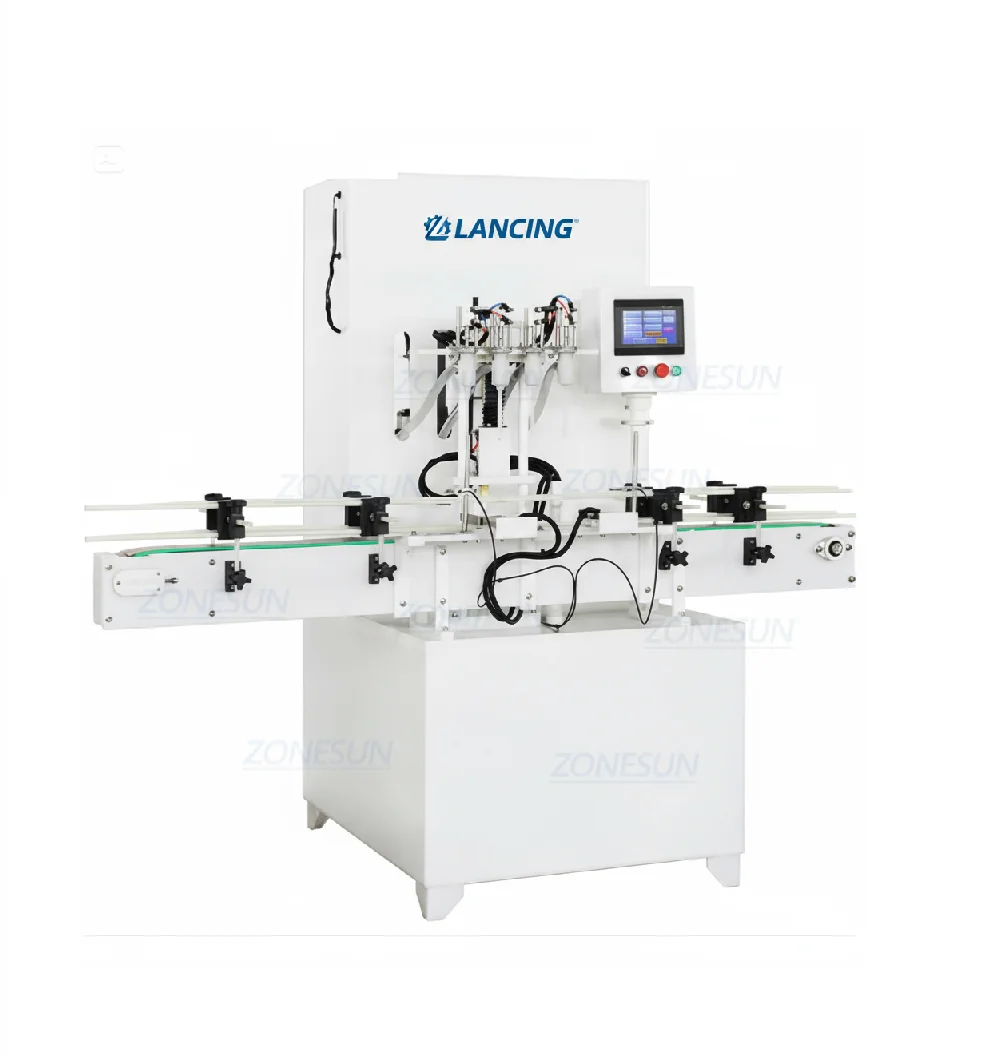
Chemical filling machine used to explain SDS and process information needed for an ATEX filling enquiry

Direct answer

Send the current SDS sections covering identification, hazards, composition where available, handling, physical properties, stability, incompatibilities, exposure controls and emergency measures, but do not treat the SDS as the complete ATEX filling specification. Add the real product temperature, transfer method, container, fill cycle, ventilation, cleaning and competent hazardous-area information.

HSE describes the SDS as information that helps an employer make a risk assessment; the SDS is not itself the assessment. For machinery selection, it gives the supplier a common product-hazard reference while the site and process data establish how that product is actually released, transferred and controlled.

Evidence map

Use the SDS to open the right engineering questions.

SDS informationHow it supports the machinery reviewProject information still required
Product identity and supplierConfirms the exact substance or mixture and the current revision being reviewed.Internal product code, variant, concentration range and whether the filled formulation differs from the supplied product.
Hazard classification and statementsIdentifies relevant flammability, health, reactivity and environmental hazards.Workplace quantities, activity, exposure route, release frequency and the competent DSEAR/COSHH assessment.
Physical and chemical propertiesProvides starting evidence such as physical state, flash point, boiling range, density or viscosity where reported.Actual and maximum filling temperature, measured production viscosity/density and behaviour during pumping, splashing or foaming.
Handling, storage and exposure controlsHighlights supplier precautions, ventilation considerations and incompatible conditions.Room and local extraction design, product source, hose and pump arrangement, operator task and site control philosophy.
Stability, reactivity and incompatibilitiesIdentifies conditions and substances to avoid.Complete wetted-part schedule, cleaning chemicals, retention time, mixed residues and supplier material recommendations.
Fire-fighting and accidental release measuresSupports emergency and spill-planning discussions.Machine containment, drainage, reject handling, emergency stop state, site response and responsibility boundaries.

Missing process data

What the SDS cannot tell the filling-machine supplier.

Does the SDS define the hazardous zone?

No. The SDS describes product hazards, but the workplace zone depends on the real release, ventilation, frequency, duration and operating conditions. Provide the approved area-classification drawing or state clearly that competent assessment is still required.

Does the SDS approve machine materials?

Not usually at the component level required for a complete filler. Material approval should cover the exact formulation, concentration, temperature, contact time, pressure, movement and cleaning duty for every wetted component.

Use the wetted-parts compatibility guide to structure that review.

Does the SDS set filling speed?

No. Achievable output depends on dose, container, nozzle, product supply, foam, drip control, capping, inspection, handling and line stops. Send representative samples and define the sustained accepted-pack output rather than using a theoretical nozzle rate.

Information to add to the SDS

  • Normal and maximum product temperature at the filler.
  • Measured density and viscosity range at relevant temperatures.
  • Storage vessel, feed pump, pressure, recirculation and hose details.
  • Container material, neck opening, fill range and closure.
  • Required output, automation level and downstream equipment.
  • Cleaning chemicals, drainage, recovery and changeover method.
  • Area-classification drawing, extraction and earthing information.

Keep the evidence current

  • Use the latest SDS revision and record its date.
  • Identify every formulation or concentration in scope.
  • Flag provisional or missing property data.
  • Reissue the brief after product, supplier or process changes.
  • Keep approved assumptions with the quotation, FAT and SAT records.
  • Do not reuse one product approval for another without review.

Enquiry sequence

Build an answerable ATEX filling enquiry in five steps.

  1. Attach the current SDS and identify the exact formulation and concentration.
  2. State the real filling and cleaning temperatures, product supply and container route.
  3. Provide the hazardous-area and ventilation information available, including known gaps.
  4. Send representative containers, closures and product samples for the agreed trial objectives.
  5. Define the quotation, FAT and SAT evidence needed to close remaining assumptions.

Your machine recommendation

Tell us what you need to fill — we’ll recommend the most suitable machine.

Send your product SDS, container details, fill range, target output and any ATEX information. You’ll receive a practical shortlist matched to your application.

☎ 01494 623015✉ sales@lancinguk.com

Direct support for new machines, line upgrades and complete filling projects.

Protected by built-in anti-spam checks. No third-party CAPTCHA or tracking service is used.

Need a filling system that fits your product, packs and output?

Share your SDS, hazardous-area information, containers, fill volumes, target output and any capping or labelling stages.

Get my machine recommendation
Call 01494 623015Get a quote