Practical ATEX filling advice for your product, packs and production target

Volatile solvent and alcohol applications

ATEX Filling Machines for Acetone, IPA & Ethanol

Specify filling, product transfer, nozzles, vapour control, compatible materials and closure handling around the exact formulation and production conditions.

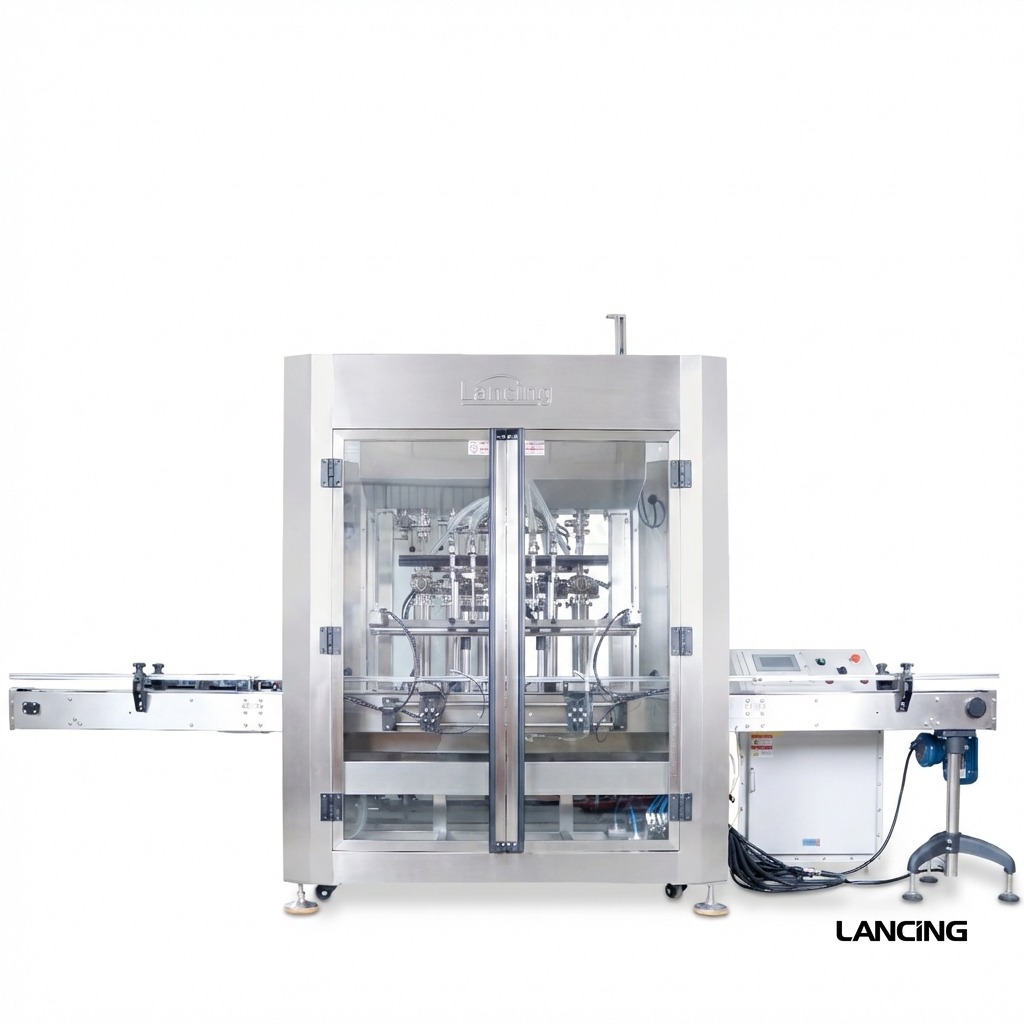
Automatic ATEX filling machine for acetone, IPA and ethanol-based products

Direct answer

Acetone, isopropyl alcohol and ethanol-based products need a formulation-specific filling review.

These liquids and blends can generate flammable vapour during transfer, filling, open-pack movement and cleaning, so the machine cannot be selected from the product name alone. Lancing needs the current Safety Data Sheet, exact composition where available, normal and maximum temperature, container and closure details, fill range, output, transfer method, ventilation and competent hazardous-area information.

The actual mixture matters. Water content, denaturants, dissolved ingredients, fragrance oils, cleaning chemicals and temperature can change viscosity, density, compatibility, vapour behaviour and the required product-contact materials. The site’s DSEAR assessment defines the workplace controls; the machinery specification then matches the declared conditions and intended use.

Product comparison

Use the chemical family as a starting point, not the final machine specification.

Product familyQuestions for the filling reviewTypical line decisions to investigate
Acetone and acetone-rich blendsExact composition, evaporation, seal and hose compatibility, cleaning route and container/closure resistance.Short product path, controlled nozzle cut-off, vapour capture, compatible flexible parts and rapid closure.
Isopropyl alcohol / IPA productsConcentration, water content, additives, product temperature, pack conductivity and cleaning method.Static control, nozzle/fill profile, bottle handling, closure integration and batch changeover.
Ethanol and denatured-alcohol blendsAlcohol concentration, denaturants, fragrance or active ingredients, small-dose accuracy and closure type.Measurement method, evaporation control, crimp/screw/pump closures, cleaning and rejected-pack handling.
Mixed solvent formulationsFull SDS and formulation evidence, incompatible materials, residues, solids, viscosity and temperature range.Pump and meter selection, wetted materials, extraction, product recovery and dedicated or shared line strategy.
1

Small bottles

Neck size, static, bottle stability, dose tolerance and cap or pump application can control the machine choice.

2

Jerrycans and pails

Pack weight, handle orientation, nozzle travel, closure torque and manual handling need early review.

3

Drums and IBCs

Weigh or flow measurement, pallet handling, overfill protection, extraction and product supply become line-level decisions.

Product path

Keep the complete transfer route compatible and controlled.

  • Source vessel, dip tube, pump, hoses, seals, meter, valves and nozzle.
  • Cleaning fluid and residues from the previous or next product.
  • Recirculation, pressure relief, drain-down and product recovery.
  • Flexible connections, couplings and maintenance opening points.
  • Bonding and earthing across conductive equipment and containers where applicable.
  • Extraction around the release source and open container.

Fill and closure

Minimise uncontrolled open-pack time.

  • Select top fill or bottom-up filling from foam, splash and vapour behaviour.
  • Control residual drip and wetting at the container neck.
  • Keep bottle or container position stable under the nozzle.
  • Coordinate capping or crimping with the fill cycle and downstream stops.
  • Define rejected, uncapped and partially filled pack handling.
  • Test the complete fill-to-close route during FAT and SAT.

Buyer questions

Questions about acetone, IPA and ethanol filling machines.

Can one machine fill acetone, IPA and ethanol products?

It may be possible, but only after the full product range, materials, cleaning, measurement and hazardous-area duty are reviewed. Shared equipment must be suitable for the most demanding compatible case and must control cross-contamination and residual solvent during changeover.

Is stainless steel enough for solvent compatibility?

No. The complete wetted path includes seals, hoses, valve seats, pump components, meter internals and nozzle parts. Each material needs evidence for the exact formulation, temperature, contact time and cleaning chemicals.

Does a small fill volume remove the ATEX question?

No automatic volume threshold determines the answer. The competent assessment considers release frequency and duration, ventilation, vapour properties, ignition sources, operating method and consequences.

Can plastic bottles or jerrycans be used?

Potentially, but plastic-pack static and earthing limitations must be assessed with the product and process. Container conductivity, charge generation, filling rate, handling and surrounding equipment all matter.

Enquiry checklist

Send enough evidence for a product-specific recommendation.

  • Current SDS for each formulation and cleaning fluid.
  • Composition/concentration where permitted, product temperature and viscosity.
  • Bottle, jerrycan, pail, drum or IBC samples and drawings.
  • Fill range, target tolerance, accepted-pack output and batch sizes.
  • Source vessel, pump, pipework, recirculation and cleaning route.
  • Zone, gas group, temperature class, ventilation and extraction information.
  • Closure, labelling, coding, inspection and finished-pack handling.

Authoritative context

Use DSEAR and the current SDS to define the workplace and equipment duty.

HSE requires employers to assess dangerous substances, identify places where explosive atmospheres may occur and select suitable equipment for the classified area. The product page therefore provides general machinery-selection guidance, not a universal suitability statement for every acetone, IPA or ethanol formulation.

Read HSE guidance on ATEX, DSEAR and equipment selection.

Need a filling system that fits your product, packs and output?

Share your SDS, hazardous-area information, containers, fill volumes, target output and any capping or labelling stages.

Get my machine recommendation
Call 01494 623015Get a quote