Practical ATEX filling advice for your product, packs and production target

Product transfer and dosing stability

ATEX Pump Selection for Flammable Liquid Filling

Compare diaphragm, gear, centrifugal, progressive-cavity, peristaltic and drum-transfer routes as part of the complete product path and fill-control system.

Chemical filling machine used to explain ATEX product-feed pump selection

Direct answer

Choose the product-feed pump from the liquid, transfer duty, control range and hazardous-area installation—not from pump type alone.

The feed pump determines how steadily product reaches the meter, valve and nozzle, so it directly affects fill control, foam, air entrainment, pressure, cut-off and cleaning. For flammable liquids, the review also covers the pump location, equipment marking, mechanical ignition risks, static, seals, leakage, dry running, deadheading, bonding, earthing and what happens on loss of air, power or product supply.

Air-operated diaphragm, gear, centrifugal, progressive-cavity, peristaltic and drum-transfer pumps each have useful operating regions and limitations. The correct route depends on viscosity, vapour pressure, solids, shear sensitivity, required flow, suction conditions, material compatibility, pressure drop, turndown and the way the filler controls coarse and fine flow.

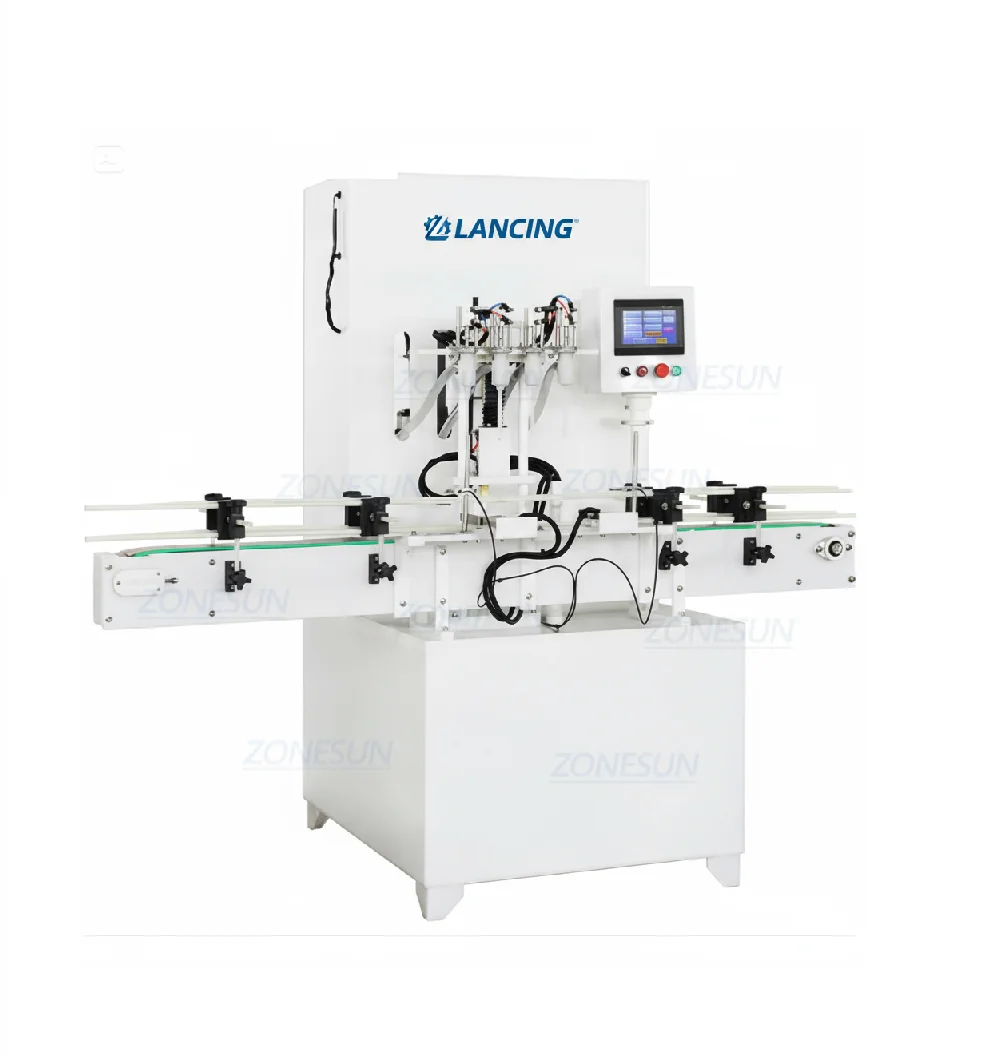
Pump comparison

Use the pump family as a shortlist, then verify the complete operating point.

Pump routeUseful characteristics to investigatePotential filling issues to test
Air-operated double-diaphragmPneumatic drive, self-priming capability on suitable duties, broad materials options and tolerance of changing flow conditions.Pulsation, compressed-air quality, stall/deadhead behaviour, icing, air consumption, diaphragm compatibility and fine-flow stability.
Gear or positive-displacementControlled delivery and useful metering behaviour for compatible clean liquids over an appropriate viscosity range.Pressure relief, dry-running limits, seal leakage, product shear, wear, temperature rise and hazardous-area motor/coupling selection.
CentrifugalSmooth flow and efficient transfer where the suction conditions and liquid properties suit the pump.Cavitation, low-flow operation, priming, vapour formation, poor turndown and changing system resistance.
Progressive-cavityLow-pulsation transfer for viscous or shear-sensitive products where compatible construction is available.Dry running, stator compatibility, pressure protection, cleaning, residual product and maintenance access.
PeristalticProduct contained within the hose and useful isolation from pump internals for suitable flows and products.Hose life, compatibility, pulsation, pressure, heat, replacement control and flow limits.
Drum or IBC transfer pumpDirect withdrawal from mobile containers where the pump and transfer set are selected for the product and location.Container earthing, flexible hose, nozzle isolation, dry running, pump support, changeover and residual product.

Control quality

Match the pump response to coarse and fine filling.

  • Confirm the stable minimum and maximum flow through the complete pipework.
  • Measure the delay between a stop command and the last product leaving the nozzle.
  • Check whether pulsation disturbs the flowmeter, scale or nozzle cut-off.
  • Define pressure-control, bypass or recirculation requirements.
  • Prevent the pump from running against a closed valve unless designed for it.
  • Test changes in supply level, temperature and viscosity across the production batch.

Hazard and compatibility

Assess the pump as part of the complete wetted and ignition-control path.

  • Pump body, diaphragms, seals, hoses and connections need product and cleaning compatibility.
  • Electrical and non-electrical equipment must match the declared hazardous-area duty.
  • Static control needs a continuous review across the source vessel, pump, hose, filler and container.
  • Seal or hose failure can create both a product-release and vapour-release source.
  • Faults must stop the pump and isolate the product in a defined sequence.
  • Maintenance access must not require uncontrolled opening of a product-filled line.

Buyer questions

Questions that link pump selection to filling performance.

Can the existing site pump feed a new filler?

Possibly, but the supplier needs its curve, materials, control method, location, marking and actual suction/discharge conditions. The pump must deliver stable coarse and fine flow without cavitation, excessive pressure, uncontrolled coast-down or incompatible failure behaviour.

Is a pneumatic pump automatically ATEX suitable?

No. Pneumatic drive reduces some electrical equipment at the pump, but the complete pump, materials, static, mechanical ignition sources and installation still need to match the hazardous-area duty.

Does the pump affect filling accuracy?

Yes. Pulsation, pressure variation, delayed shut-off, entrained air, cavitation and poor fine-flow control can all change the delivered result. The pump, measurement method, valve and nozzle must be tested as one dosing system.

Should the pump stop before the fill valve closes?

The sequence depends on pump type, pressure, pipe volume and the final isolation arrangement. The design must avoid pressure spikes, deadheading, uncontrolled product in flight and restart with an unsafe valve position.

Quotation inputs

Send the information needed to size the product-feed route.

  • Current SDS, exact formulation, concentration and product temperature range.
  • Viscosity, density, solids, aeration, shear sensitivity and foaming behaviour.
  • Source-vessel level, distance, elevation and suction arrangement.
  • Target fill range, nozzle count, coarse/fine flow and required output.
  • Pipe size, hose length, valves, meters, filters and pressure restrictions.
  • Cleaning fluid, drain-down, product recovery and changeover method.
  • Zone, gas group, temperature class and installation location.

Authoritative context

Protected equipment and ignition-source control must match the classified area.

HSE states that equipment in potentially explosive atmospheres must be specially designed and selected so ignition risks are eliminated or reduced. That applies to electrical equipment and to mechanical, hot-surface and electrostatic hazards across the pump and filling system.

Read HSE guidance on equipment in explosive atmospheres.

Need a filling system that fits your product, packs and output?

Share your SDS, hazardous-area information, containers, fill volumes, target output and any capping or labelling stages.

Get my machine recommendation
Call 01494 623015Get a quote