Practical ATEX filling advice for your product, packs and production target

Hazardous-area protection concepts

Intrinsically Safe vs Flameproof ATEX Filling Equipment

Understand what intrinsic safety, flameproof construction and other Ex protection methods actually mean before comparing a hazardous-area filling machine.

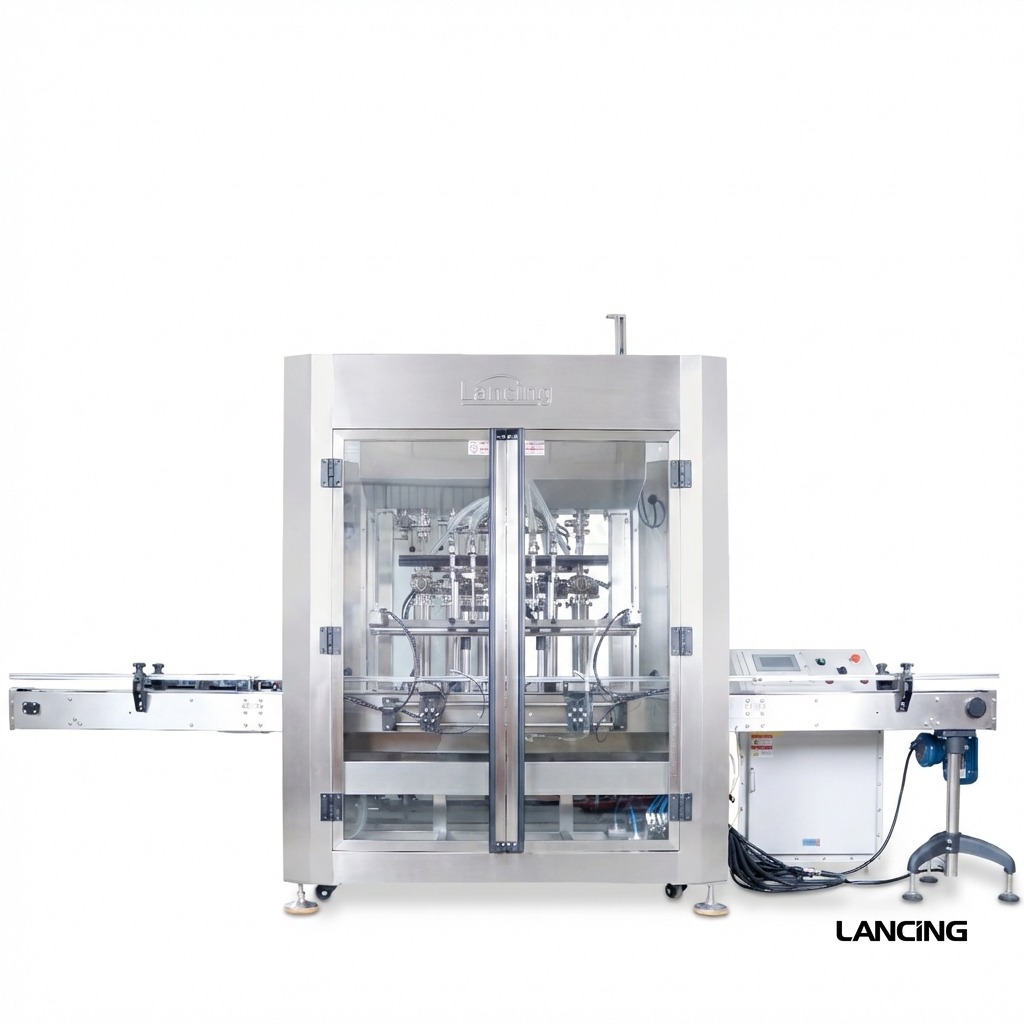
Automatic hazardous-area filling machine used to explain intrinsic safety and flameproof protection concepts

Direct answer

Intrinsic safety limits electrical energy; flameproof protection contains an internal ignition event.

Intrinsically safe and flameproof are different equipment-protection concepts, not interchangeable labels for a complete filling machine. Intrinsic safety is normally used for low-energy circuits so a spark or hot effect cannot ignite the specified atmosphere under defined fault conditions. Flameproof protection uses an enclosure designed to withstand an internal explosion and prevent flame propagation to the surrounding atmosphere.

A hazardous-area filling system may combine several protection methods across sensors, weighing instruments, motors, valves, controls and operator devices. The final selection depends on the Zone, gas group, temperature class, equipment function and complete ignition-source assessment. Pneumatic actuation, an Ex-rated motor or an intrinsically safe sensor does not by itself establish that the assembled filler is suitable for the intended installation.

Protection concepts

Compare what each method is intended to control.

Protection conceptWhat it doesTypical filling-system relevanceQuestions to resolve
Intrinsic safety — Ex iRestricts electrical energy in a circuit so ignition is prevented under the certified conditions.Low-energy sensors, load-cell circuits, switches, indicators and instrumentation may use intrinsic-safety techniques.Zone/EPL, gas group, circuit entity parameters, barriers or isolators, cable characteristics and installation details.
Flameproof enclosure — Ex dContains an internal explosion and controls the path through which hot gases could escape.Motors, enclosures or other equipment may use flameproof construction where the function and classification suit it.Marking, gas group, temperature class, cable entries, enclosure joints, maintenance and inspection access.
Increased safety — Ex eUses construction that avoids arcs, sparks and excessive temperatures in normal service.Terminal boxes, motors and connection equipment may use increased-safety construction.Installation, connections, overload protection, surface temperature and permitted duty.
Pressurisation — Ex pMaintains a protective gas pressure so the hazardous atmosphere is excluded from an enclosure.Control cabinets or analysers may use purge/pressurisation where the complete control sequence is appropriate.Purge time, pressure proving, loss-of-pressure action, ventilation and safe restart.
Non-electrical ignition controlAddresses hot surfaces, friction, impact, bearings, moving parts and electrostatic hazards.Pumps, conveyors, nozzle mechanisms, cappers and mechanical assemblies need assessment as part of the machine.Materials, speed, lubrication, fault conditions, maintenance, static and foreseeable misuse.

Machine-level decision

Why one protected component cannot qualify the whole filler.

  • The product path can release vapour at the tank, pump, hose, valve, nozzle and open container.
  • Mechanical motion can create hot surfaces, friction or impact independently of the electrical design.
  • Containers, operators, hoses and conveyors can affect electrostatic charging and discharge.
  • Downstream capping, labelling and transfer equipment may sit inside or influence the classified area.
  • Installation details can change the validity of a component certificate or protection concept.
  • The assembled machine needs a coherent marking, documentation and intended-use basis.

Evidence to request

Ask for the protection concept and the installation conditions.

  • Declared Zone, gas group and temperature-class requirements.
  • Equipment markings and relevant declarations or certificates where applicable.
  • Intrinsic-safety loop schedules and barrier or isolator information where used.
  • Cable-entry, gland, enclosure and maintenance requirements.
  • Non-electrical ignition-source assessment for pumps and moving assemblies.
  • Cause-and-effect behaviour for faults, loss of purge, loss of air or loss of earth.

Buyer questions

Questions that prevent misleading “explosion-proof” comparisons.

Is a pneumatic filler intrinsically safe?

No. Pneumatic operation does not make a filling machine intrinsically safe. Intrinsic safety is a defined electrical protection technique. A pneumatic filler can still contain electrical devices, mechanical ignition sources, static hazards and product-release points that need assessment.

Review pneumatic-filler assumptions

Does an Ex d motor make the complete filler suitable?

No. The motor marking applies to that component and its permitted use. The pump, coupling, nozzle motion, controls, container handling, static and installation interfaces still need to match the complete project duty.

Can different protection concepts be combined on one line?

Yes, where each concept is appropriate and the complete system is engineered coherently. A line may include intrinsically safe instrumentation, flameproof motors, increased-safety terminals, pneumatic actuation and safe-area controls, with interfaces documented and tested.

What does “explosion proof” mean in a quotation?

Ask the supplier to replace the general phrase with the actual classification, marking, protection concepts, intended use and exclusions. The words alone do not define Zone suitability, gas group, temperature class, non-electrical risks or installation responsibilities.

Authoritative references

Use the current standards and site assessment, not a generic protection label.

HSE lists the BS EN 60079 protection standards, including flameproof enclosures, increased safety, pressurisation and intrinsic safety. HSE also requires equipment selection to follow the classified area and the control of electrical, mechanical and electrostatic ignition sources.

Need a filling system that fits your product, packs and output?

Share your SDS, hazardous-area information, containers, fill volumes, target output and any capping or labelling stages.

Get my machine recommendation
Call 01494 623015Get a quote