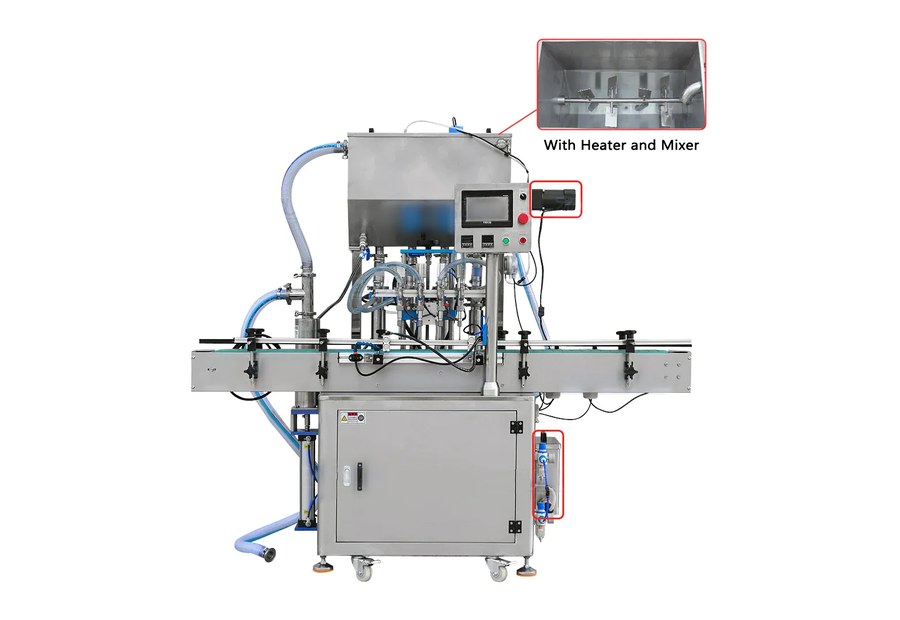
Can standard parts simply be replaced with Ex-rated parts?
No. Replacing visible electrical parts does not by itself establish the suitability of the complete filling line. The review must include non-electrical ignition sources, static, product release, mechanical changes, wiring, control functions, installation, documentation and the interfaces between retained and new equipment.
Component markings support the technical file, but the assembled intended use and conformity route still need competent engineering assessment.
Provide the machine identification, manuals, declarations, drawings, component lists, control software and backups, modification history, maintenance records, product path, utilities, layout and current risk assessments. Also define the new products, containers, output, cleaning and area classification.
Where evidence is missing, the scope should state how the installed condition will be surveyed and verified. An assumption that an old component is unchanged is not a substitute for inspection.
When is a new filling station more practical than conversion?
A new station may be more practical when the existing design lacks reliable documentation, requires extensive component and control replacement, has unsuitable mechanical arrangements, cannot support the new product path or would leave difficult interface and verification risks. Conversion can also create prolonged downtime or a mixed technical file that is hard to maintain.
Compare both routes against the same intended use, site works, testing, documentation, production disruption and lifecycle inspection needs rather than only the initial machine price.