
Practical ATEX filling advice for your product, packs and production target

ATEX requirement question

Does my liquid need an ATEX filling machine?

Start with the dangerous substance and the way it is released, then use the competent hazardous-area classification to define the equipment duty.

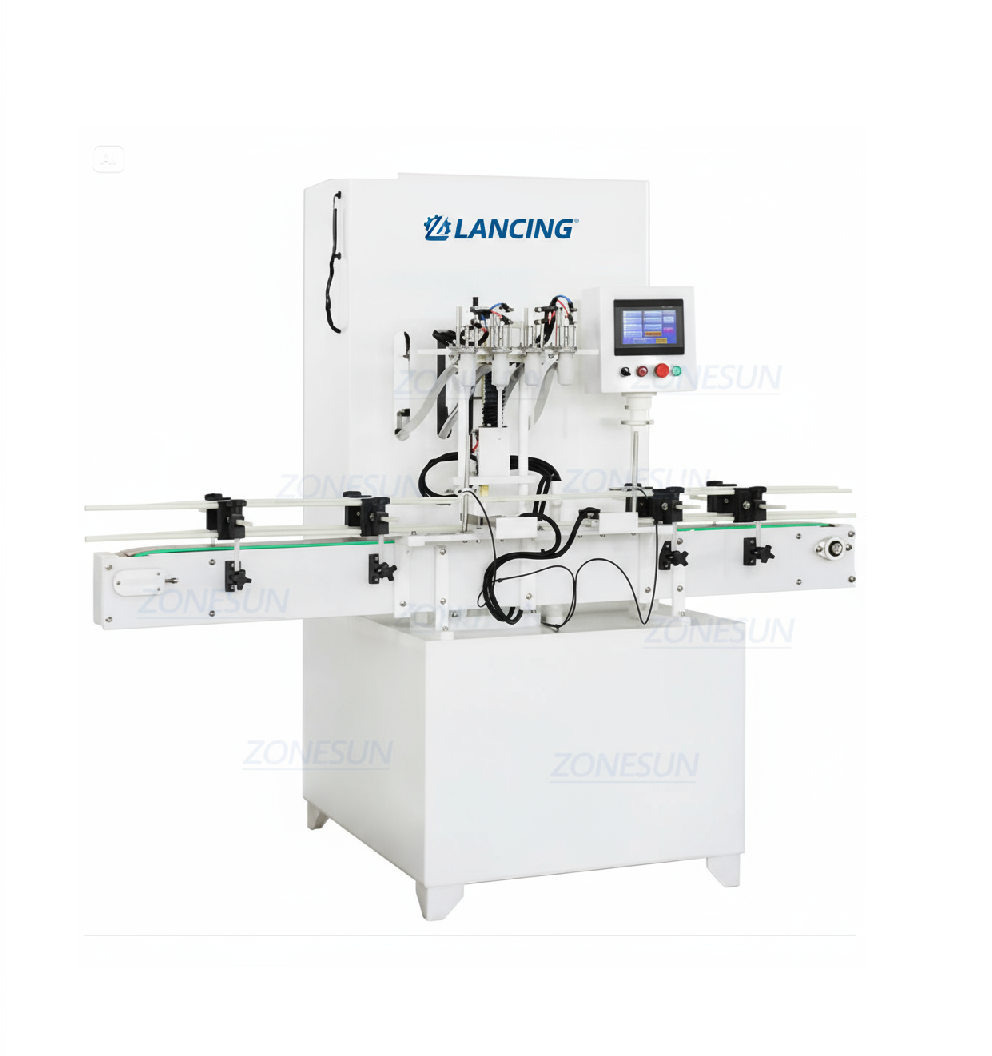
Chemical filling machine used to explain when an ATEX filling review may be required

Direct answer

A liquid filling process may need ATEX equipment when a dangerous substance can form an explosive atmosphere and equipment is intended to operate within, or affect, the classified area. The decision is not made from the product name or one SDS value alone. A competent DSEAR assessment must consider the real release scenario, ventilation, operating temperature, quantity, transfer and abnormal conditions, then define the hazardous-area classification used for equipment selection.

In Great Britain, DSEAR concerns workplace risks from dangerous substances, while the equipment regulations concern products intended for use in potentially explosive atmospheres. A practical project connects these duties without treating one as a substitute for the other.

Decision sequence

Work from substance to release, zone and equipment duty.

EvidenceWhat it helps establishWhat it does not decide by itself
Current SDS and formulation informationFlammability, physical properties, incompatibilities, handling and exposure information.The exact hazardous-area zone or the suitability of a particular machine.
Process descriptionWhere product is pumped, opened, filled, drained, sampled and cleaned.The frequency and duration of an explosive atmosphere without competent assessment.
Ventilation and extraction dataHow vapour is diluted or captured under defined operating conditions.Automatic removal of all hazardous-area or ignition-control duties.
Area-classification drawingZone, extent and location information used to define the equipment environment.The complete mechanical, electrical, static and process design of the filler.

Buyer questions

Three checks that prevent an early wrong assumption.

Is flash point enough to decide whether ATEX equipment is needed?

No. Flash point is relevant evidence, but the decision also depends on product temperature, vapour generation, quantity, pressure, transfer, exposed surface, ventilation, release frequency and credible abnormal events. A liquid can be used under conditions that change the release scenario, and an SDS does not describe every workplace activity.

Provide the normal and maximum process temperature, fill method and all operations that open the product path. The competent risk assessment then considers the evidence together.

Does Zone 2 automatically mean an ATEX filling machine is required?

Zone 2 identifies an area in which an explosive gas atmosphere is not likely in normal operation and, if it occurs, is expected only for a short time; it does not by itself specify the complete filling machine. Equipment selection also requires the zone extent, substance group, temperature requirement, intended location, operating modes and ignition-source review.

Use the competent classification drawing and the Zone 1 versus Zone 2 guide rather than selecting from a generic website table.

Can a non-flammable corrosive liquid need a different machine review?

Yes. A non-flammable corrosive liquid can require a demanding materials, containment, operator-protection and cleaning review even when explosion protection is not the governing issue. Chemical compatibility and ATEX suitability are separate questions, and a project may require either one or both.

Send concentration, temperature, compatible materials, seals, cleaning fluids and exposure controls. See the corrosion-resistant filling machine page for the separate product-contact review.

Evidence to gather before asking a supplier

  • Current SDS and relevant formulation or concentration information.
  • Operating and credible maximum product temperatures.
  • Storage and product-feed arrangement, including pumps and pressures.
  • Fill point, container opening and open-container duration.
  • Cleaning, draining, sampling and maintenance operations.
  • Ventilation, extraction and available hazardous-area information.

Common selection mistakes

  • Using the product name as a zone classification.
  • Treating one protected component as evidence for the assembled machine.
  • Ignoring cleaning or fault-recovery releases.
  • Assuming room ventilation and local capture are interchangeable.
  • Specifying the filler without the product supply and downstream pack journey.

Authoritative UK context

Use HSE’s DSEAR guidance, HSE hazardous-area classification guidance and HSE’s ATEX equipment guidance alongside the competent project assessment.

Related decisions

Continue from requirement to equipment selection.

Your machine recommendation

Tell us what you need to fill — we’ll recommend the most suitable machine.

Send your product SDS, container details, fill range, target output and any ATEX information. You’ll receive a practical shortlist matched to your application.

☎ 01494 623015✉ sales@lancinguk.com

Direct support for new machines, line upgrades and complete filling projects.

Protected by built-in anti-spam checks. No third-party CAPTCHA or tracking service is used.

Need a filling system that fits your product, packs and output?

Share your SDS, hazardous-area information, containers, fill volumes, target output and any capping or labelling stages.

Get my machine recommendation
Call 01494 623015Get a quote