Practical ATEX filling advice for your product, packs and production target

ATEX and DSEAR question

What is the difference between ATEX and DSEAR for filling machinery?

DSEAR governs workplace risk control in Great Britain; the explosive-atmospheres equipment framework governs products intended for use in classified areas. A compliant project needs both sides to meet.

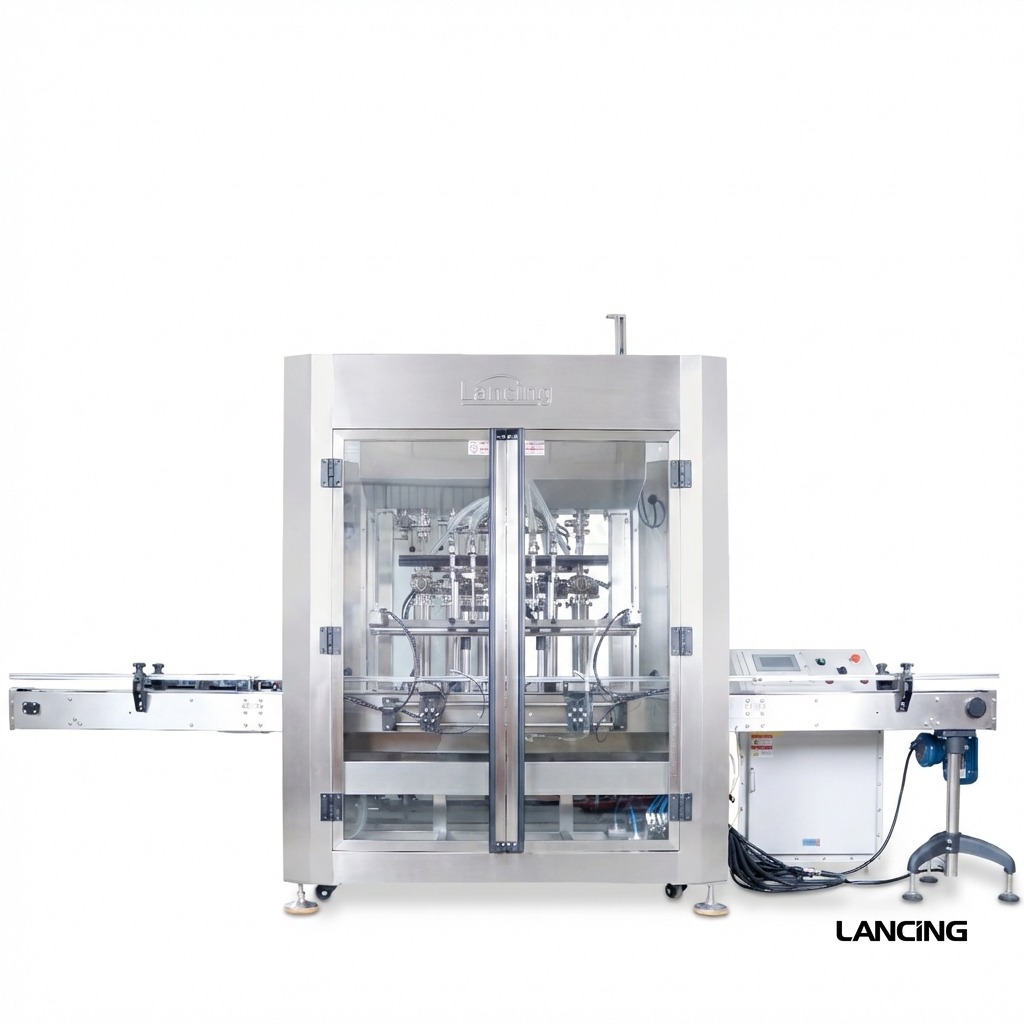
ATEX filling machinery used to explain the difference between DSEAR workplace duties and equipment requirements

Direct answer

DSEAR places duties on employers and the self-employed to assess and control risks from dangerous substances in the workplace, while the ATEX-derived equipment framework concerns equipment and protective systems intended for use in potentially explosive atmospheres. DSEAR provides the workplace and area-classification basis; the machinery supplier uses that basis to define the equipment duty, marking, instructions and project interfaces.

Neither one replaces the other. A machine with suitable equipment evidence can still be installed or operated incorrectly, and a DSEAR assessment cannot make unsuitable equipment acceptable in a classified area.

Responsibility map

Join the workplace assessment to the machinery evidence.

ATEX and DSEAR responsibilities in a filling project
Project questionDSEAR / duty-holder sideEquipment / manufacturer side
What dangerous substances and activities exist?Identify products, releases, quantities, operations, cleaning and credible abnormal events.Use the supplied evidence to define intended product and operating limits.
Where can an explosive atmosphere occur?Classify areas into Zones and document their extent and conditions.Use the approved classification to define equipment location and protection duty.
Which controls are required?Eliminate or reduce risks through containment, ventilation, procedures, maintenance and emergency planning.Define machine safeguards, interfaces, permissives, instructions and conditions relied on for safe use.
What equipment can be installed?Set the equipment requirement from the Zone, gas group, temperature class and site assessment.Design, assess, mark and document the supplied equipment for the stated intended use.
How is the completed installation accepted?Verify the site, utilities, extraction, earthing, procedures, training and overall explosion safety.Provide conformity and project evidence, FAT results, instructions and defined SAT open points.

Project sequence

Use DSEAR information before the filling-machine duty is frozen.

  1. Identify the substance and activity. Gather the current SDS, formulation, temperature, transfer method, container and cleaning operations.
  2. Assess releases and controls. Consider normal operation, start-up, shutdown, drainage, maintenance and credible faults.
  3. Classify the area. Provide the approved Zone, extent, gas group, temperature requirement and drawing.
  4. Define the machinery boundary. Include the product supply, filler, controls, conveyors, capping, labelling, extraction and external safety functions.
  5. Select and document equipment. Trace the classification into the equipment schedule, marking, instructions and control philosophy.
  6. Test and verify. Use FAT for supplied functions and SAT for installed interfaces, then manage product or process changes.

Buyer questions

Questions buyers ask when ATEX and DSEAR are mentioned together.

Does an ATEX machine make a site DSEAR compliant?

No. Suitable equipment is one part of the overall workplace controls. The employer still needs the risk assessment, area classification, installation, ventilation, procedures, maintenance, emergency arrangements and verification for the complete process.

Can a machine supplier write the DSEAR assessment?

The duty holder remains responsible for DSEAR compliance and should use competent assistance where needed. A machinery supplier can provide process and equipment information, identify required inputs and define the supplied machine’s interfaces.

Does the SDS set the hazardous Zone?

No. The SDS is an important source of substance information, but the Zone depends on the actual release, ventilation, operating conditions and workplace assessment. Provide the SDS and the approved area-classification output.

When should the machine supplier receive the Zone drawing?

Before the equipment duty, layout and control architecture are frozen. Late classification information can change motor, sensor, control-panel, conveyor, extraction and capping decisions.

Does DSEAR cover corrosive liquids that are not flammable?

DSEAR also covers substances corrosive to metals in the workplace, but corrosion-resistant machinery selection and explosive-atmosphere equipment selection are distinct engineering questions. The project may need one review or both.

What should I send Lancing before a project call?

Send the current SDS, product and process temperature, container and closure, fill range, output target, DSEAR status, Zone drawing, gas group, temperature requirement, extraction, utilities and connected-line scope. Missing inputs can then be assigned rather than guessed.

Related guidance

Move from responsibility to a machine specification.

Your machine recommendation

Tell us what you need to fill — we’ll recommend the most suitable machine.

Send your product SDS, container details, fill range, target output and any ATEX information. You’ll receive a practical shortlist matched to your application.

☎ 01494 623015✉ sales@lancinguk.com

Direct support for new machines, line upgrades and complete filling projects.

Protected by built-in anti-spam checks. No third-party CAPTCHA or tracking service is used.

Need a filling system that fits your product, packs and output?

Share your SDS, hazardous-area information, containers, fill volumes, target output and any capping or labelling stages.

Get my machine recommendation
Call 01494 623015Get a quote