
Reactive-component packaging
Resin & Hardener Filling Machines
Separate the resin and hardener packing task from meter-mix dispensing. Specify component identity, quantities, cleaning and line release before choosing equipment.
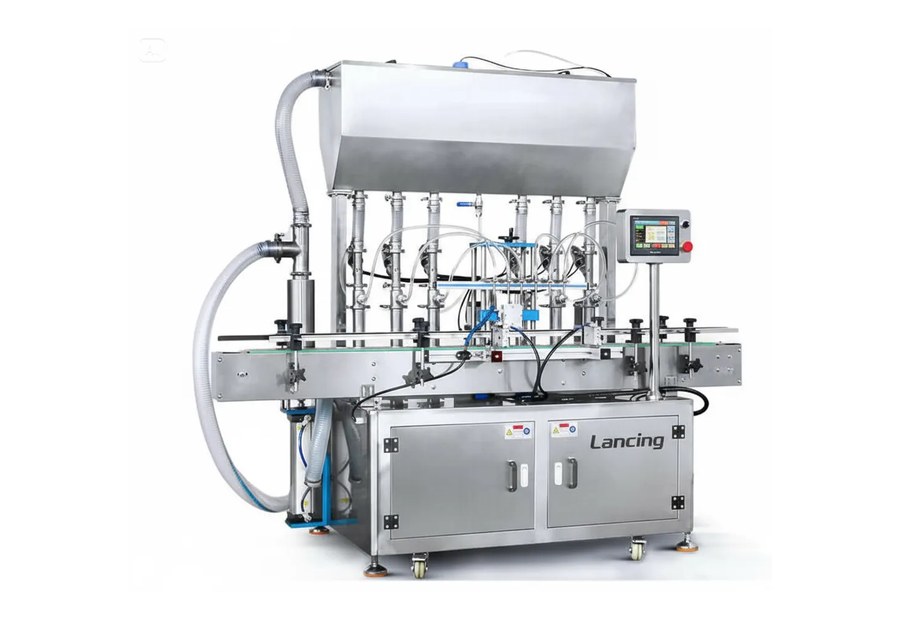
Separate-component packaging
Packing resin and hardener separately is a different task from mixing a reactive dose.
A resin and hardener filling enquiry should first say whether two components are being packed separately for later use or mixed during dispensing. Separate-pack filling needs controlled product identity, independent quantities, compatible product-contact paths and matched kit assembly. Meter-mix dispensing introduces the reaction, ratio, mixed-material residence time and shutdown problem; it requires a separately engineered scope.
Lancing’s published viscous-product and hazardous-area routes provide starting points for an application review, not proof of suitability for a particular resin. This page concerns resin, hardener and two-component coating packs where the formulation or operating environment requires a hazardous-area review. Some products have no flammable solvent yet still present chemical-reaction or health hazards.
Product identity
Define a separate evidence pack for each component.
| Decision | What to establish | Why it matters |
|---|---|---|
| Component A and component B | Exact product names, SDS revisions and technical data for each liquid. | Similar-looking liquids or matching trade names do not establish equivalent hazards or materials compatibility. |
| Pack quantity and kit ratio | Quantity in each container and whether the final ratio is specified by mass or by volume. | Two correct-looking packs can still make the wrong kit when the basis of the ratio is confused. |
| Viscosity and conditioning | The separate viscosity ranges, approved product temperatures and permitted preparation method. | The resin and hardener may need different dosing and feed arrangements. |
| Changeover and shared parts | Dedicated hoses, valves, couplings, return containers and tools where the assessment requires separation. | Residual incompatible material can contaminate product or create a reaction hazard. |
| Closure and kit release | Container and closure identity, label checks, batch matching and the release record. | A correct fill quantity is only one condition of a correctly assembled two-component kit. |
Measurement basis
Keep packaging quantity separate from the end-user mixing instruction.
Record the intended net quantity for each sale container. When kit quantities are derived from a formulation ratio, confirm the basis with the product supplier. A mass ratio and a volume ratio are not interchangeable unless the relevant component densities are accounted for under the defined conditions. Do not substitute a generic conversion or change the specified mixing ratio to suit a convenient container size.
A weigh-filling route can be reviewed where mass is the controlling quantity. For other pack formats, compare automatic filling and operator-assisted filling. The two components do not have to use identical dosing hardware; the equipment and verification method must fit each material.
Reaction and hazardous-area boundaries
Explosion protection does not control every chemical incompatibility.
Mixing an epoxy resin and its hardener can generate heat; the product manufacturer’s instructions and reaction assessment determine the safe conditions. For example, WEST SYSTEM describes exotherm as heat released by the resin–hardener curing reaction. That is chemical-manufacturer context, not a compatibility approval or a tested Lancing-machine claim.
The review must identify where accidental contact could occur: change parts, a common drain, wash containers, a return line or kit rework. Keep reactive-product handling within the approved product and site procedures. Do not assume a shared flush liquid, universal seal material or generic cleaning sequence is safe for both components.
Source context: WEST SYSTEM’s explanation of uncontrolled cure and exotherm; HSE chemical-exposure assessment in plastics processing; HSE on using safety data sheets in risk assessment.
Packing and release
Follow both packs from empty container to an identified kit.
- Confirm the released material and the authorised filling recipe for each component before the run starts.
- Verify the empty pack, target quantity, nozzle and component-specific product-contact path.
- Record the filled quantity using the agreed method and close the pack without contaminating the sealing surface.
- Match component labels and batch identities at kit assembly; define how unmatched packs are held and reconciled.
- Record the line-clearance and clean-state checks before the next material or component is introduced.
These are specification and acceptance topics, not a claim that a particular identification or interlock function is included as standard. See wetted-material compatibility, closure handling and line-control interfaces when defining the actual scope.
Resin-filling questions
Questions about resin, hardener and two-component kits.
Can a normal liquid filler pack mixed two-component resin?
Not on the basis of viscosity alone. Once components are mixed, curing, heat generation and changing flow behaviour may affect the product path and the response to a stoppage. A mixed-material process needs its own reviewed dosing, residence-time, cleaning and shutdown specification. Do not treat separate-component packing as evidence for that duty.
Do resin and hardener need dedicated filling circuits?
That decision needs the formulation supplier’s compatibility and reaction information. Where cross-contact cannot be safely prevented and verified, dedicated product-contact circuits and controlled change parts may be needed. A shared machine frame does not require the liquids to share hoses, valves, drains or return containers.
Do all epoxy resins and hardeners require ATEX filling equipment?
No universal conclusion follows from the product category. Review the actual components, cleaning liquids, temperatures, releases and site classification. A non-flammable product can still require controls for exposure or reaction hazards, while a flammable carrier may create an additional explosion-protection duty.
Can equal fill volumes be used for every resin and hardener kit?
No. The kit must follow the product supplier’s specified component quantities and ratio basis. Equal volumes, equal masses and a particular resin-to-hardener ratio are different instructions. Record the required quantity for each pack and verify the assembled kit instead of assuming that matching container sizes establish the ratio.
Scope for quotation
Send the two component specifications, not only the finished-kit name.
Include separate SDS and technical data, target pack quantities, ratio basis, container and closure samples, component-identification rules, cleaning arrangements and any hazardous-area information.