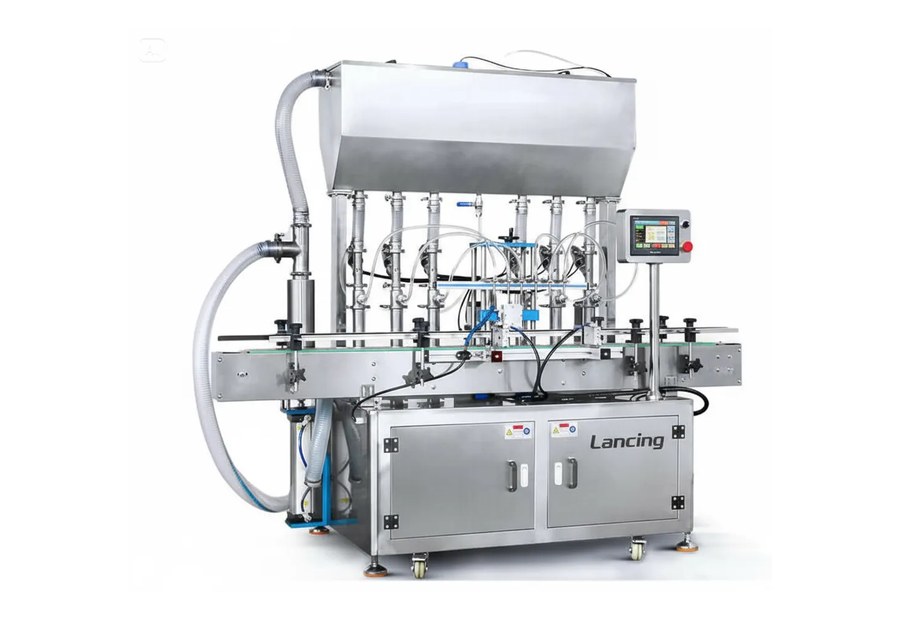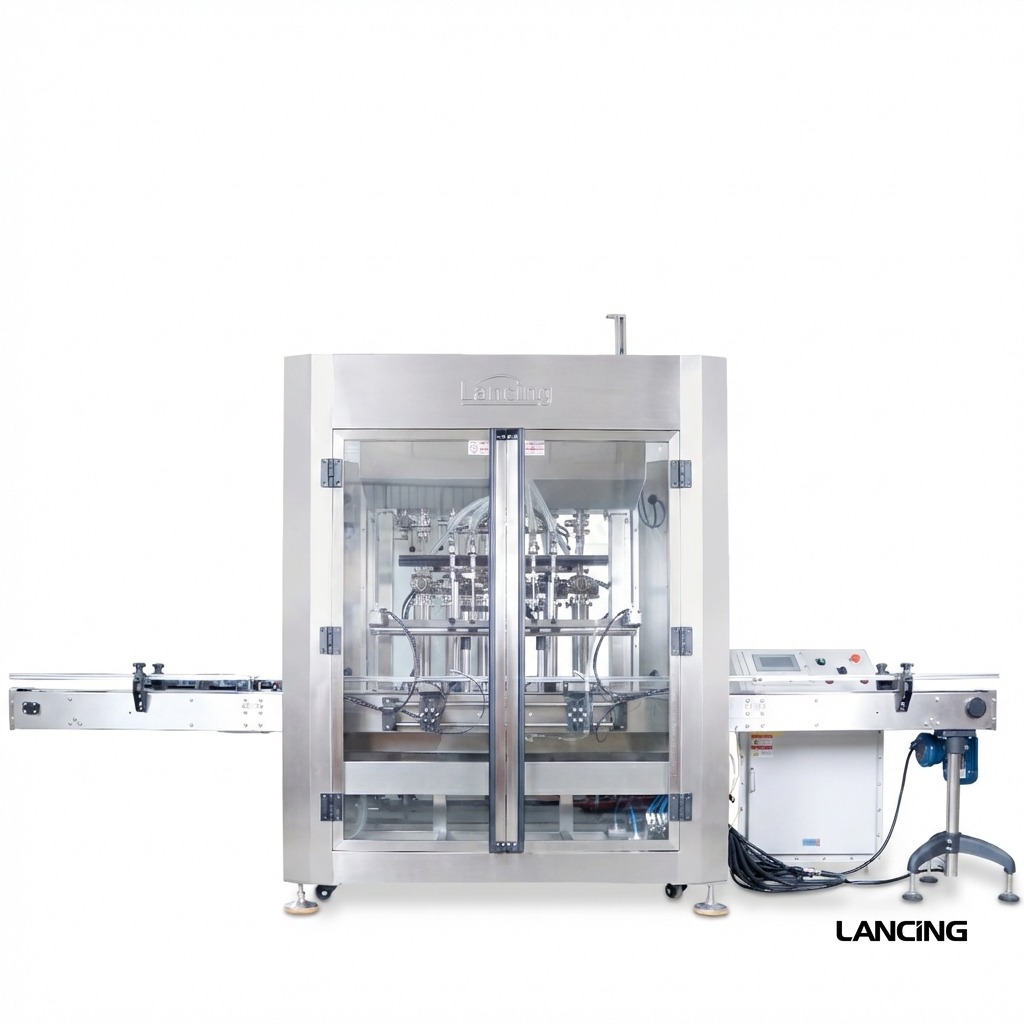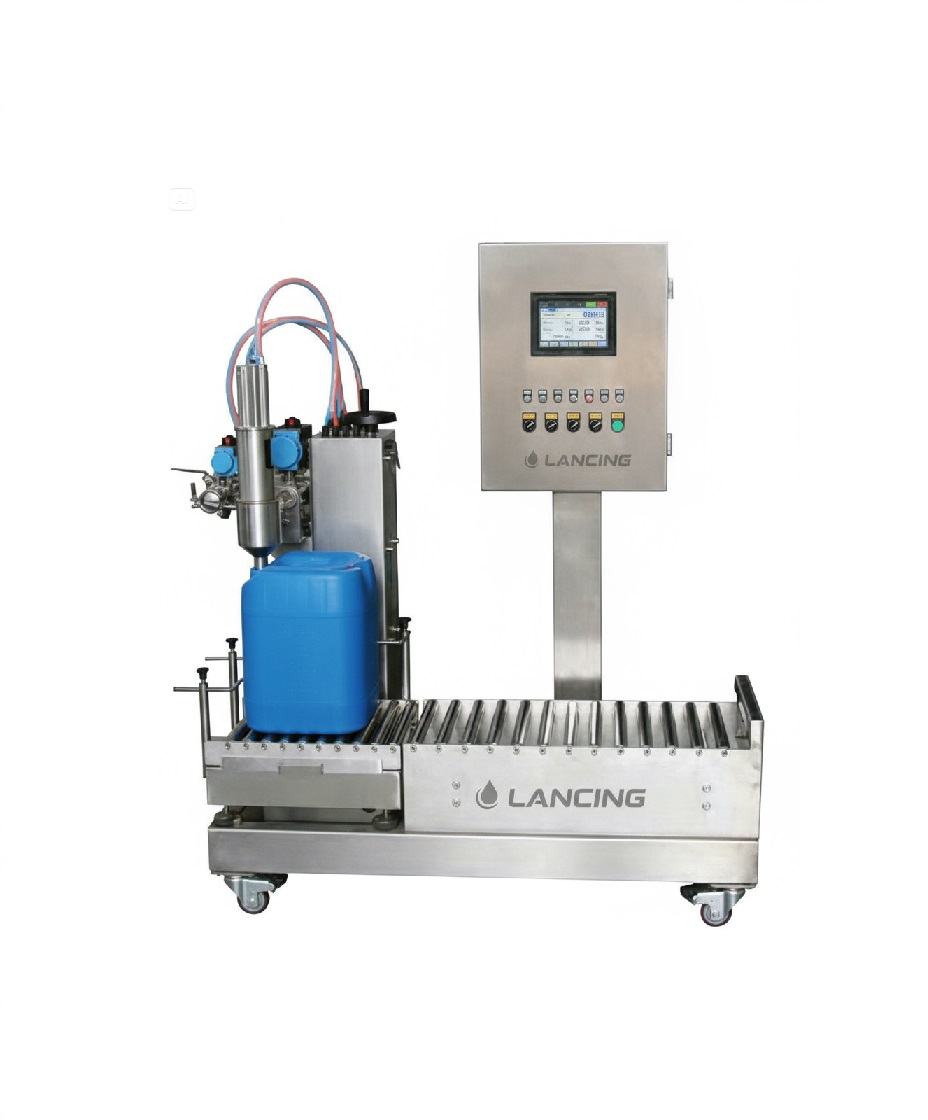
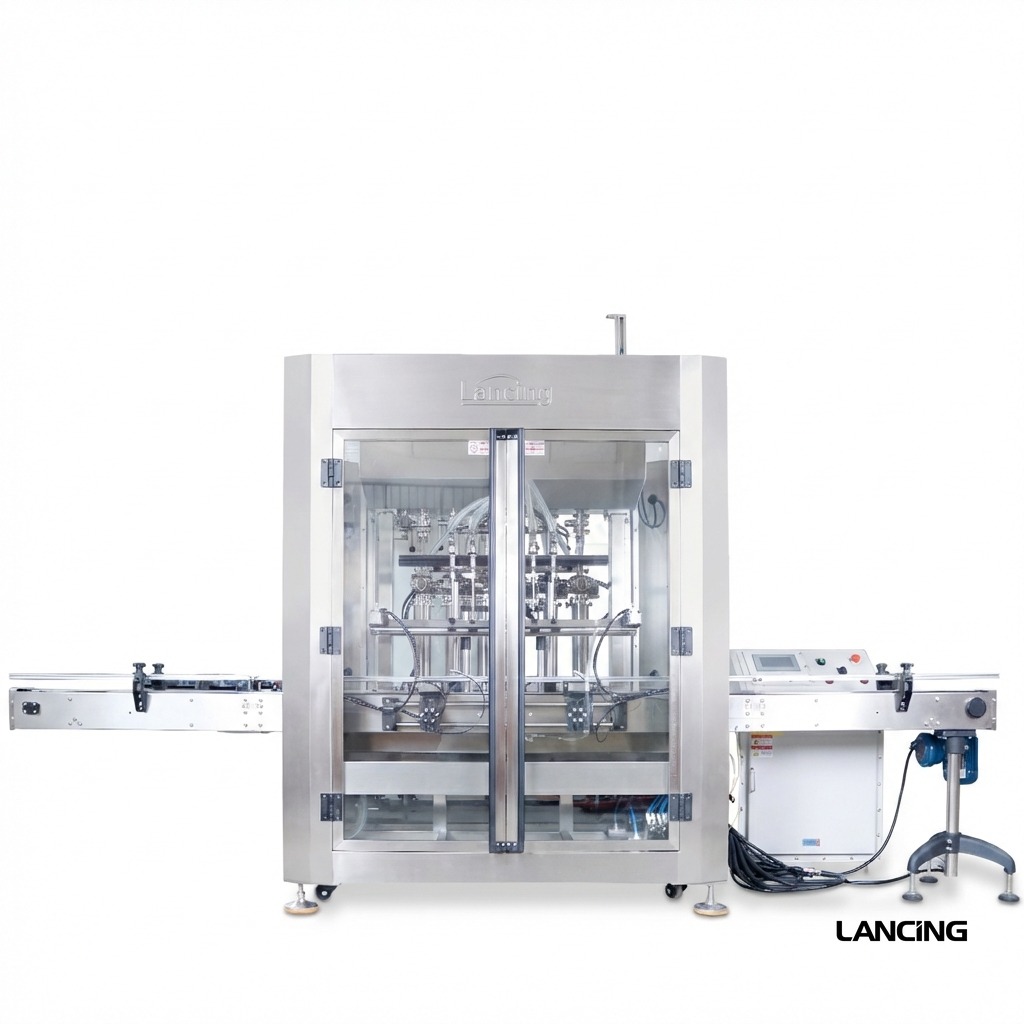
Practical ATEX filling advice for your product, packs and production target

Hazardous-product applications

Choose an ATEX filling solution around the product you need to pack.

Start with flammability, viscosity, chemical compatibility, container size and output. We’ll help you identify the machinery route that best fits your production.

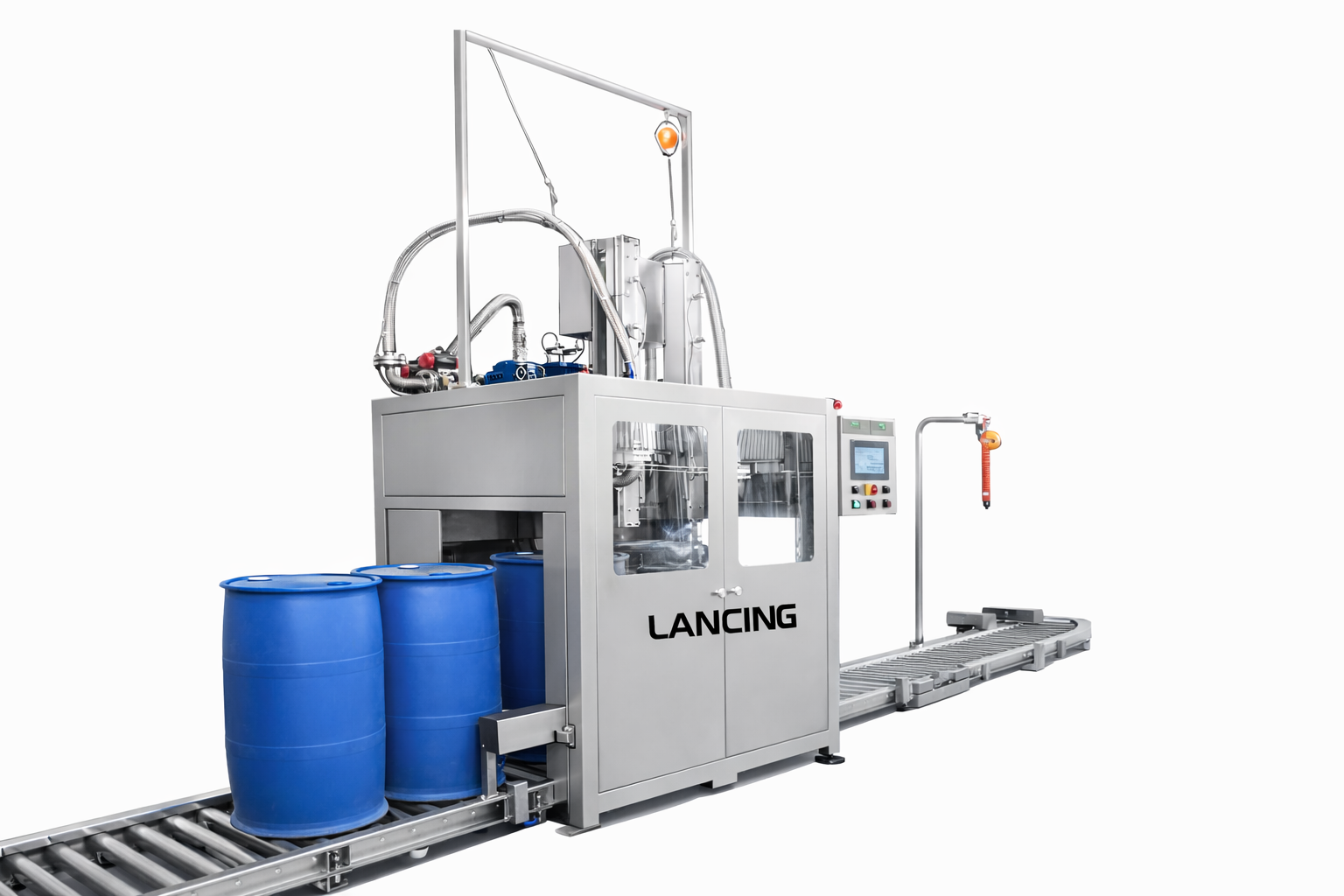
Integrated filling line for hazardous-product packaging applications

Application routes

Start with what you fill and how you pack it.

The application pages connect product behaviour to the most practical automatic, weigh, large-container, corrosion-resistant or complete-line route.

Chemical and solvent filling machinery for bottles and larger industrial packs
Chemicals

Chemicals and solvents

Filling routes for flammable solvents, cleaners, reagents and compatible industrial chemicals.

  • SDS and flash point review
  • Material compatibility
  • Vapour, foam and static control
View application
Automatic filling machine for alcohol perfume and fragrance liquids
Volatile liquids

Alcohol and perfume

Precision filling and closure handling for alcohol-rich cosmetics, fragrance bases and compatible volatile liquids.

  • Small-volume dosing
  • Vapour and static control
  • Crimp, screw and pump closures
View application
Large-container filling machinery for fuels oils and additives
Industrial liquids

Fuels, oils and additives

Automatic, weigh and jerrycan routes for kerosene, fuel additives, lubricants and related products.

  • Low to high viscosity
  • Drip-control options
  • Heavy-pack conveying
View application

Selection method

One product can affect several parts of the line.

  • Explosion risk and hazardous-area classification.
  • Wetted-part, seal, hose and cleaning compatibility.
  • Dosing method, nozzle behaviour and fill tolerance.
  • Container handling, closure application and line output.
  • Utilities, extraction, static control and site interfaces.

ATEX and corrosion resistance are not interchangeable.

A machine may need explosion protection, corrosion-resistant contact parts, or both. The product SDS and site assessment should drive the specification.

View application

Your machine recommendation

Tell us what you need to fill — we’ll recommend the most suitable machine.

Send your product SDS, container details, fill range, target output and any ATEX information. You’ll receive a practical shortlist matched to your application.

☎ 01494 623015✉ sales@lancinguk.com

Direct support for new machines, line upgrades and complete filling projects.

Protected by built-in anti-spam checks. No third-party CAPTCHA or tracking service is used.

Application ownership

Start with the hazard and process behaviour, then choose the machine family.

Two products sold into the same industry can need different filling systems. The application brief should distinguish flammability and vapour from corrosion, viscosity, foam, particles and container handling. That prevents a broad product label from driving the wrong dosing method or protection concept.

Application groupPrimary evidenceMachine routes to compare
Chemicals and solventsSDS, flash point, concentration, material compatibility, vapour and cleaning.Automatic, weigh, large-pack or corrosion-resistant filling according to pack and product.
Paints, coatings and adhesivesSolvent content, viscosity, stringing, particles, shear and nozzle cut-off.Piston or pump filling, diving or shut-off nozzles and complete-line review.
Alcohol and perfumeFull formulation, flash point, small-dose behaviour, bottle stability and closure sequence.Precision automatic filling with pump insertion, crimping or capping integration where required.
Fuels, oils and additivesVolatility, conductivity, viscosity range, density, drips and large-pack handling.Automatic bottle filling, load-cell weigh filling or bucket/jerrycan routes.
S

Share the SDS

Use the current document and identify the real formulation, concentration and operating temperature. The machine supplier should not infer hazard from a trade name.

Z

Share the site classification

Provide the competent zone drawing, gas or vapour group, temperature class and the boundaries that affect filling, capping, labelling and services.

T

Plan a representative trial

Use real packs and enough product to observe start-up, sustained filling, cut-off, rejects, changeover and cleaning under stated conditions.

Understand DSEAR and ATEX responsibilities Plan trials and FAT

Need a filling system that fits your product, packs and output?

Share your SDS, hazardous-area information, containers, fill volumes, target output and any capping or labelling stages.

Get my machine recommendation
Call 01494 623015Get a quote