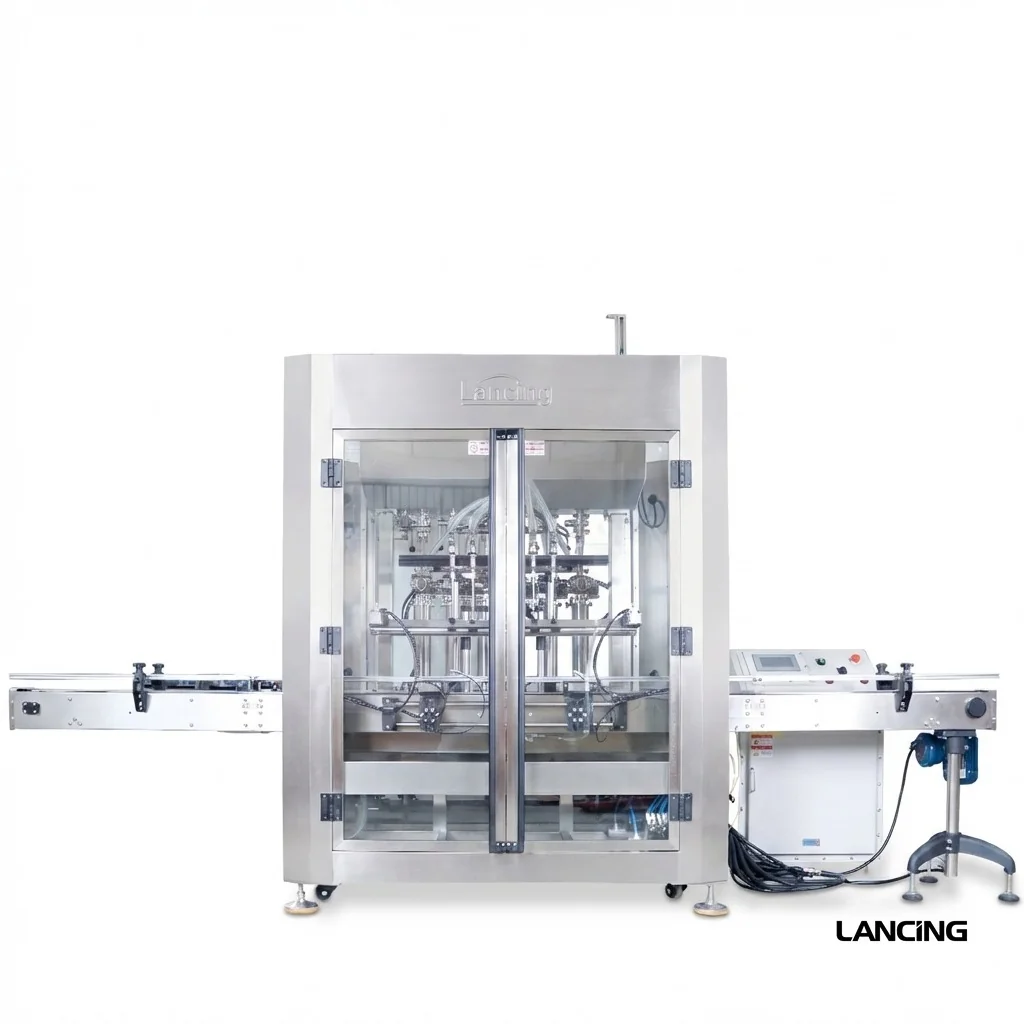
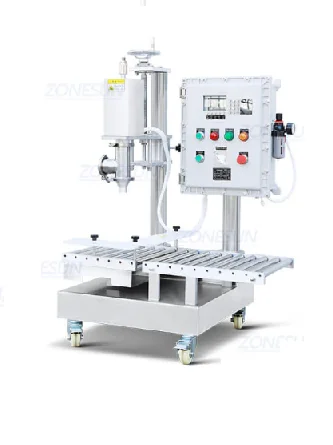
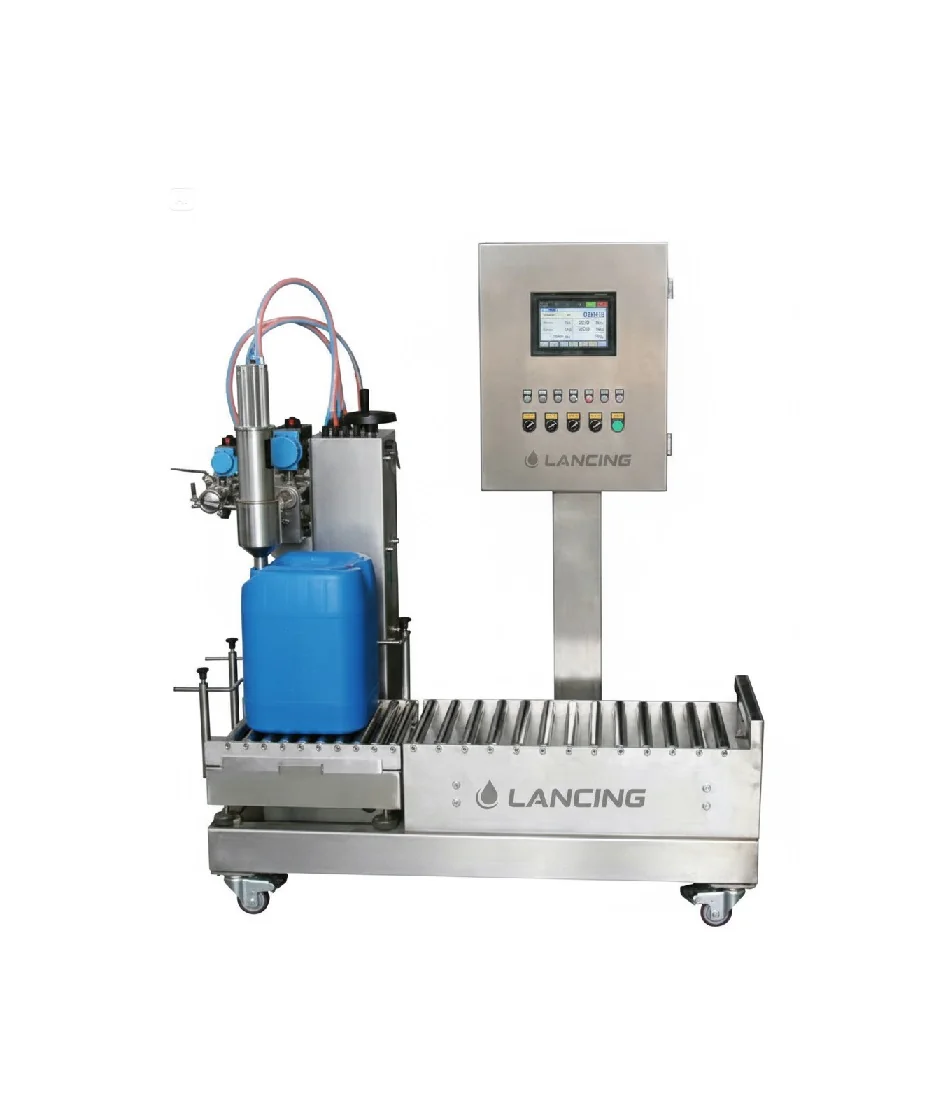
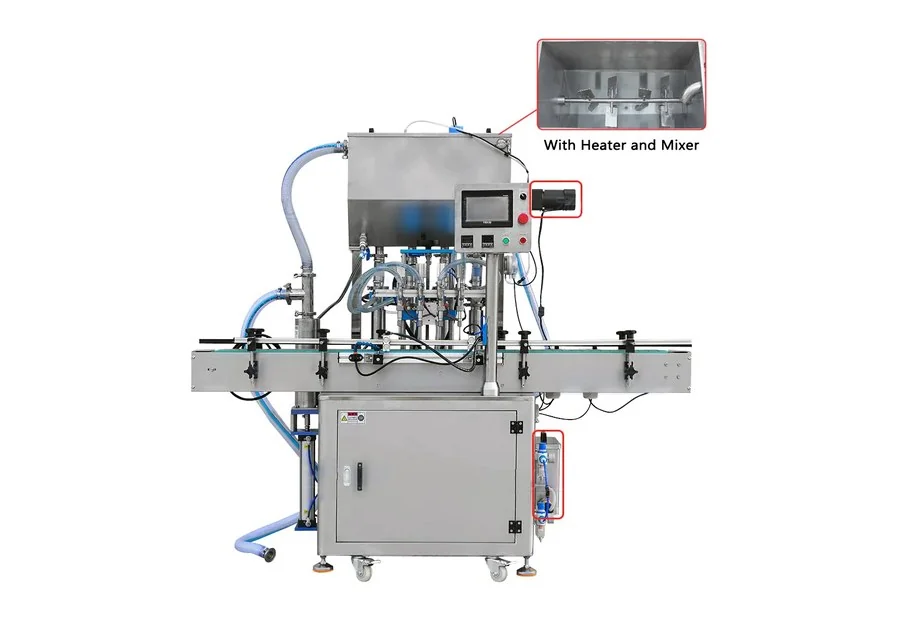
How do I know whether my liquid needs an ATEX filling review?
A liquid needs an ATEX filling review when its use could create an explosive atmosphere and the filling machine or connected equipment may be located within, or materially affect, that area. The safety data sheet is important evidence, but it does not decide the answer by itself. The process must also consider release points, temperature, quantity, ventilation, transfer method, open-container time, cleaning and credible abnormal conditions.
The employer’s competent DSEAR assessment defines the workplace risk and hazardous-area classification. The machinery review then uses those declared conditions to assess the equipment and complete filling process. The ATEX requirement question guide sets out the evidence in a practical order.
What should be decided before choosing the filling principle?
Choose the filling principle only after defining the quantity to be controlled, product behaviour, container range, campaign pattern and hazardous-area operating case. A fast pump, piston, gravity or weigh route can still be unsuitable if it cannot manage foam, density change, nozzle access, static control, cleaning or the intended container movement.
Record whether the acceptance quantity is volume or mass, whether tare varies, how product reaches the filler, how the dose starts and stops, and what happens to the open pack before closure. This turns a general request for an “ATEX filler” into a comparison that can be tested.
What makes an ATEX filling enquiry ready for engineering review?
An enquiry is ready for engineering review when the product, pack, output, site and acceptance assumptions are collected in one controlled brief. Include the current SDS, operating temperature, viscosity or density where relevant, fill range, representative containers and closures, sustained output requirement, cleaning method, product supply, layout constraints, utilities, extraction information and available area-classification data.
Unknowns do not have to be hidden. Mark each unresolved item, identify who will close it and state the stage at which it must be confirmed. This makes preliminary selection useful without presenting assumptions as final design facts.
Which parts of an ATEX filling project should use the real product and packs?
Real product and pack samples are most valuable where physical behaviour determines the result: dosing, foam, splash, drip formation, nozzle access, container stability, closure handling, cleaning and changeover. A substitute may be acceptable for a defined check, but the difference in viscosity, density, conductivity, volatility, wetting or seal compatibility must be recorded.
A successful sample trial demonstrates the tested operating case; it does not prove the site’s DSEAR assessment or the complete installed conformity scope. Use the trial and FAT guide to define what each test is expected to establish.